




XAPAVIR-LT TABLET — PRESCRIPTION INFORMATION
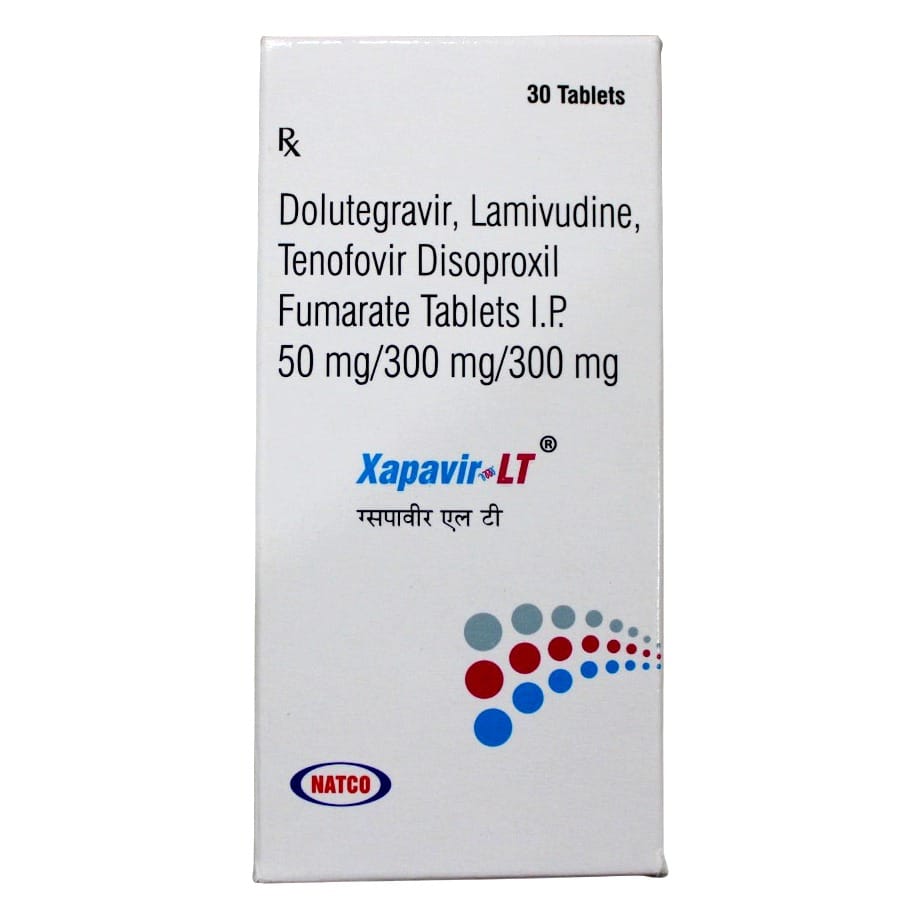
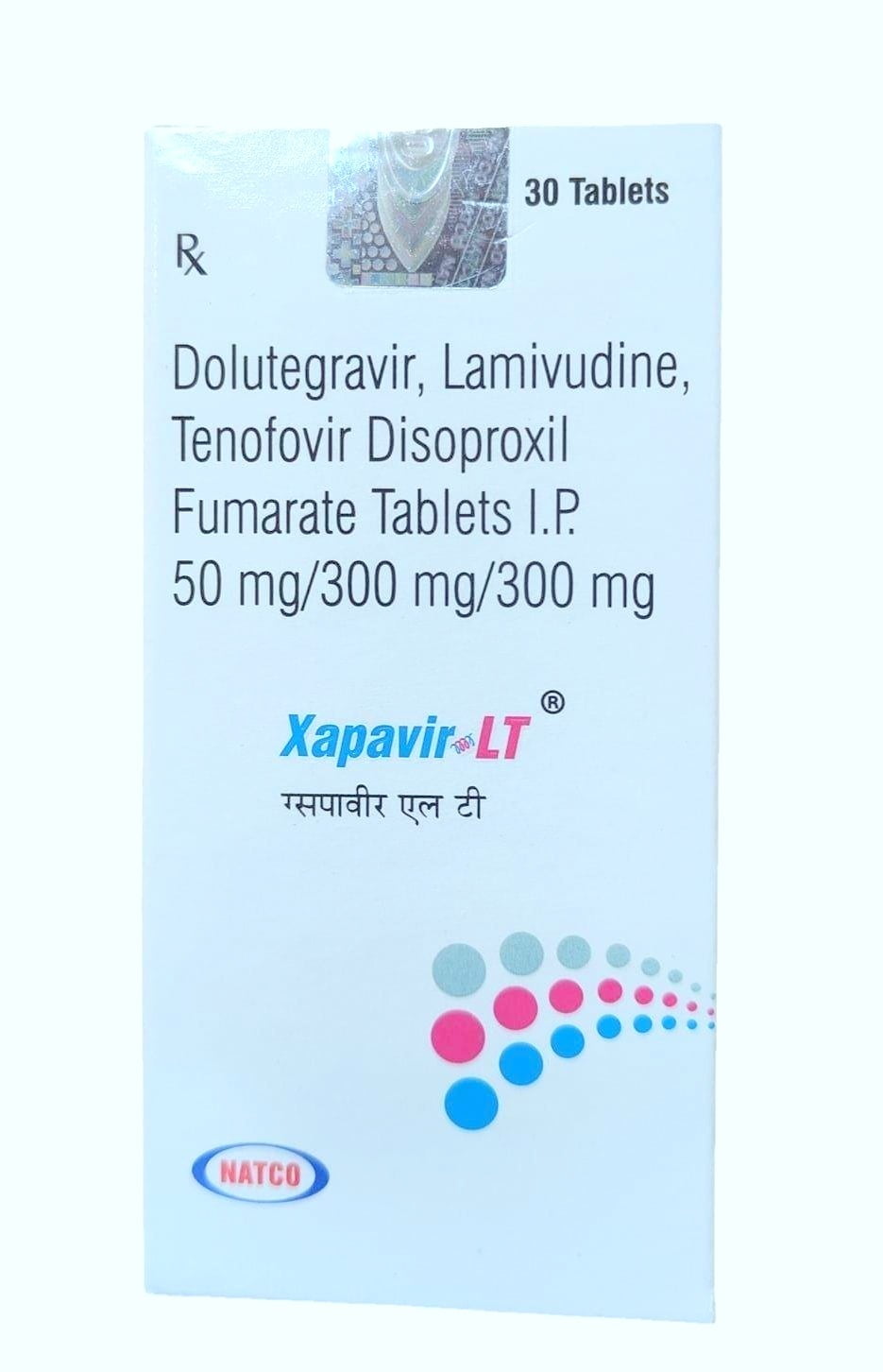
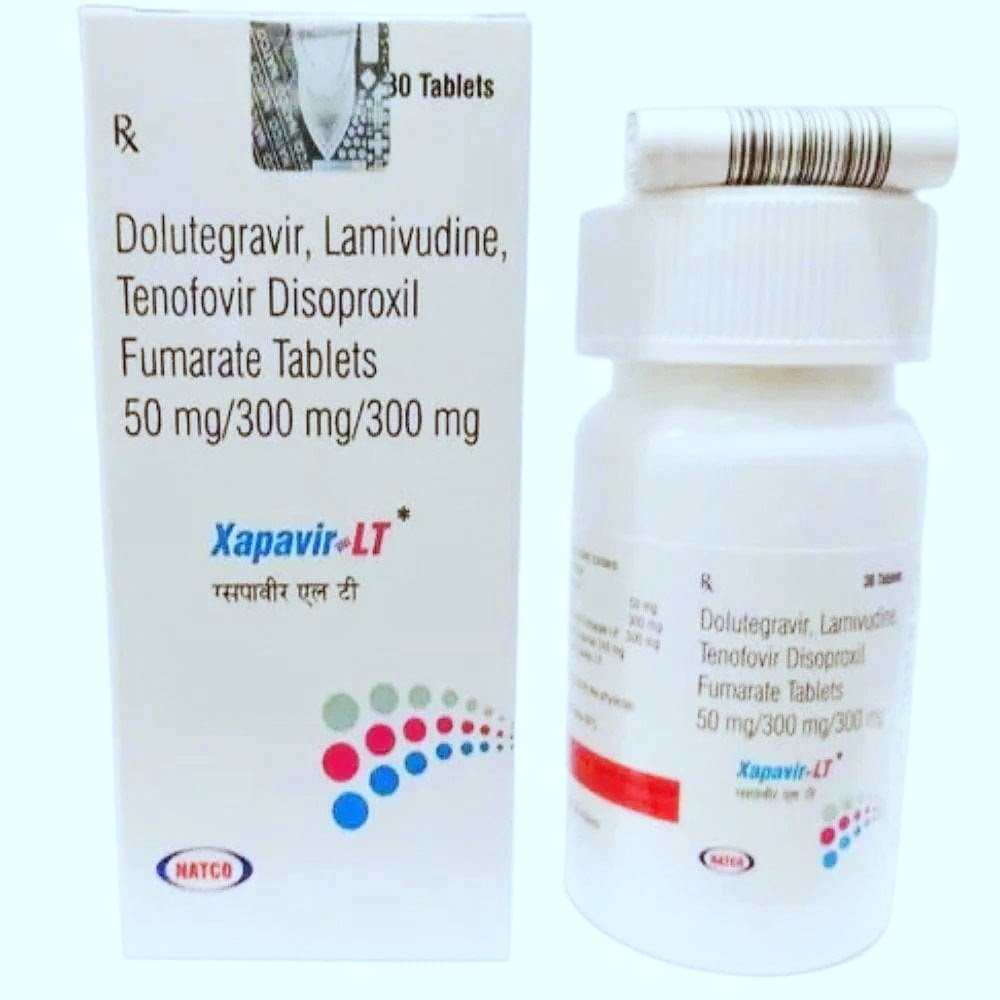
Dolutegravir 50 mg + Lamivudine 300 mg + Tenofovir Disoproxil Fumarate 300 mg
Prescription medicine | Verify the current supplied pack | Use only under qualified medical supervision
⚠️ Important Safety Notice
Xapavir-LT should not be started, stopped, doubled, substituted or shared without advice from a qualified HIV-care professional. This page is educational product information only. It does not diagnose HIV, prescribe treatment or replace a doctor, pharmacist, current prescription or the approved leaflet supplied with the pack.
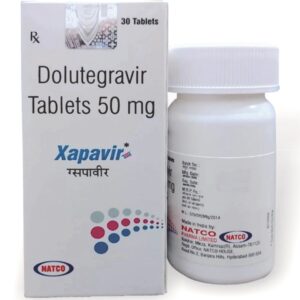
The product page currently lists dolutegravir 50 mg, lamivudine 300 mg and tenofovir disoproxil fumarate 300 mg. Always compare the physical pack with the prescription before use. Check name, strength, ingredients, pack size, batch, expiry, seal and manufacturer. If anything differs, pause and ask the pharmacist.
❤️ About Xapavir-LT
Xapavir-LT is a fixed-dose combination of three antiretroviral medicines: dolutegravir, lamivudine and tenofovir disoproxil fumarate. It may be prescribed as part of a complete HIV-treatment plan when a qualified clinician decides that this exact formulation is appropriate. It is not a cure for HIV or AIDS, does not remove HIV from the body and does not provide immunity against future exposure.
🧪 Composition and How It Works
Dolutegravir is an integrase inhibitor. Lamivudine and tenofovir disoproxil fumarate are nucleoside or nucleotide reverse-transcriptase inhibitors. They interfere with different stages of HIV replication. The combination can help reduce viral replication when the complete regimen is suitable, taken consistently and monitored by the HIV-care team.
🎯 Uses
Xapavir-LT may be used for prescribed HIV treatment. It should not be self-started for PrEP or PEP. PEP is time-sensitive and requires urgent medical assessment and a specifically selected regimen. Prevention, testing and treatment decisions must be made by an appropriate clinician.
🕒 Dose, Food and Missed Dose
Take Xapavir-LT exactly as written on the prescription and current leaflet. Take it at a consistent time if possible. Follow the pharmacist’s advice about food, antacids, calcium, iron, magnesium and other mineral products. If a dose is missed, follow the supplied leaflet or contact the care team; do not automatically take two tablets together.
🩺 Monitoring and Precautions
The clinician may review viral load, CD4 count, kidney function, liver tests, hepatitis B status, treatment history, resistance information, side effects and medicine interactions. Tell the care team about every prescription medicine, over-the-counter product, vitamin, mineral, herbal product and recreational substance.
⚠️ Side Effects and Urgent Symptoms
Possible effects include headache, nausea, diarrhoea, abdominal discomfort, tiredness, dizziness, sleep changes or rash. Seek urgent help for breathing difficulty, facial swelling, severe or blistering rash, peeling skin, mouth or eye sores, suicidal thoughts, seizures, yellow skin or eyes, severe abdominal pain or greatly reduced urine.
✅ Treatment adherence
Taking every prescribed dose helps maintain medicine exposure. Missed or interrupted doses can reduce treatment effectiveness and may contribute to resistance. If adherence is difficult, tell the care team the actual reason: side effects, travel, work, stigma, cost, refill delay, depression or forgetfulness. A practical plan is safer than silently changing treatment.
What to discuss: Ask the healthcare professional how this issue applies to your prescription, health history, current tests and other medicines. Do not use general online information to make an individual treatment decision.
📊 Viral-load follow-up
Viral load is interpreted by the HIV-care team and is not judged from symptoms alone. A falling or undetectable result is encouraging, but it does not mean HIV has been cured. Keep scheduled tests and appointments, and do not stop treatment because a result improves.
What to discuss: Ask the healthcare professional how this issue applies to your prescription, health history, current tests and other medicines. Do not use general online information to make an individual treatment decision.
🧬 CD4 monitoring
CD4 results help the clinician understand immune recovery and infection risk. The meaning of a result depends on the overall clinical picture, previous values, viral load and other conditions. Do not compare your result directly with another person’s result or change medicines based on one test.
What to discuss: Ask the healthcare professional how this issue applies to your prescription, health history, current tests and other medicines. Do not use general online information to make an individual treatment decision.
🛡️ Resistance history
Previous treatment exposure, interruptions and resistance results can affect whether a regimen is suitable. Tell the clinician about every past HIV medicine, including medicines obtained elsewhere. Never conceal a treatment interruption; accurate history helps the team choose safely.
What to discuss: Ask the healthcare professional how this issue applies to your prescription, health history, current tests and other medicines. Do not use general online information to make an individual treatment decision.
🫘 Kidney health
Tenofovir disoproxil fumarate can require kidney-function consideration. Tell the clinician about kidney disease, dehydration, reduced urine, swelling and frequent use of painkillers. Do not start supplements or traditional products for kidney protection without professional advice.
What to discuss: Ask the healthcare professional how this issue applies to your prescription, health history, current tests and other medicines. Do not use general online information to make an individual treatment decision.
🦴 Bone health
Bone health may need attention in people with osteoporosis, fractures, low bone density or other risk factors. The clinician decides whether tests, lifestyle advice, supplementation or another regimen is appropriate. Do not self-prescribe high-dose calcium or vitamin D.
What to discuss: Ask the healthcare professional how this issue applies to your prescription, health history, current tests and other medicines. Do not use general online information to make an individual treatment decision.
🫀 Hepatitis B
Lamivudine and tenofovir may have activity against hepatitis B. Tell the clinician if hepatitis B is known, suspected or previously treated. Stopping medicines active against hepatitis B can cause problems in some people, so any change needs medical planning and monitoring.
What to discuss: Ask the healthcare professional how this issue applies to your prescription, health history, current tests and other medicines. Do not use general online information to make an individual treatment decision.
🫀 Liver health
Mention hepatitis C, cirrhosis, fatty liver disease, jaundice and previous abnormal liver tests. Seek advice for yellow eyes, dark urine, pale stools, severe itching or persistent vomiting. A product page cannot determine whether a symptom is medicine-related or due to liver disease.
What to discuss: Ask the healthcare professional how this issue applies to your prescription, health history, current tests and other medicines. Do not use general online information to make an individual treatment decision.
🔄 Drug interactions
Interaction checking should include prescriptions, antacids, mineral supplements, herbal products and recreational substances. Dolutegravir can interact with products containing aluminium, magnesium, calcium or iron. The correct separation depends on the product and food instructions; ask a pharmacist rather than guessing.
What to discuss: Ask the healthcare professional how this issue applies to your prescription, health history, current tests and other medicines. Do not use general online information to make an individual treatment decision.
🤰 Pregnancy planning
Tell the HIV-care team promptly about pregnancy, possible pregnancy or plans to become pregnant. Do not stop treatment independently. The clinician balances HIV control, treatment history, current guidance and pregnancy-related considerations. Pregnancy care should be individualised rather than based on a general internet statement.
What to discuss: Ask the healthcare professional how this issue applies to your prescription, health history, current tests and other medicines. Do not use general online information to make an individual treatment decision.
🤱 Breastfeeding
Infant-feeding decisions for a person living with HIV require specialist counselling and current local guidance. Do not rely on a simple safe-or-unsafe statement from an online product page. Ask the HIV-care and maternity teams for a plan that considers the parent and infant.
What to discuss: Ask the healthcare professional how this issue applies to your prescription, health history, current tests and other medicines. Do not use general online information to make an individual treatment decision.
🧠 Mental health
Tell the clinician about depression, anxiety, suicidal thoughts, psychosis, seizures, sleep problems or previous medicine-related mental-health symptoms. Seek urgent help for suicidal thoughts, severe confusion, hallucinations or unusual behaviour. Do not dismiss serious symptoms as a normal adjustment.
What to discuss: Ask the healthcare professional how this issue applies to your prescription, health history, current tests and other medicines. Do not use general online information to make an individual treatment decision.
🌡️ Rash
Report a new rash promptly. Emergency signs include blisters, peeling skin, fever, facial swelling, breathing difficulty or sores involving the mouth or eyes. Do not restart a medicine suspected of causing a serious allergic reaction unless a qualified clinician explicitly instructs you.
What to discuss: Ask the healthcare professional how this issue applies to your prescription, health history, current tests and other medicines. Do not use general online information to make an individual treatment decision.
🚗 Driving
Dizziness, tiredness, sleep changes or difficulty concentrating may make driving unsafe for some people. Avoid driving and machinery until you know your response. If impairment persists, discuss the symptom and timing with the care team.
What to discuss: Ask the healthcare professional how this issue applies to your prescription, health history, current tests and other medicines. Do not use general online information to make an individual treatment decision.
🍷 Alcohol
Alcohol may worsen dizziness, nausea, tiredness or impaired concentration. It may also make adherence harder. Ask the healthcare professional what is appropriate for your situation, particularly if liver disease, depression or other medicines are involved.
What to discuss: Ask the healthcare professional how this issue applies to your prescription, health history, current tests and other medicines. Do not use general online information to make an individual treatment decision.
💊 Refills
Plan refills before the medicine runs out. A missed refill can become an unplanned treatment interruption. If supply, cost or delivery is a problem, contact the pharmacy and HIV-care team early rather than stretching tablets or taking them on alternate days.
What to discuss: Ask the healthcare professional how this issue applies to your prescription, health history, current tests and other medicines. Do not use general online information to make an individual treatment decision.
✈️ Travel
Carry enough medicine for the planned trip plus a reasonable buffer advised by the care team. Keep it in the original labelled pack and carry prescription information when appropriate. Ask about storage, time-zone changes, customs requirements and safe access to medical care.
What to discuss: Ask the healthcare professional how this issue applies to your prescription, health history, current tests and other medicines. Do not use general online information to make an individual treatment decision.
🕒 Work schedules
Night shifts and changing routines can make adherence difficult. Ask the pharmacist to help choose a consistent schedule that fits the prescription. Use a private reminder if desired. Never move timing or combine doses without checking.
What to discuss: Ask the healthcare professional how this issue applies to your prescription, health history, current tests and other medicines. Do not use general online information to make an individual treatment decision.
🔒 Stigma and privacy
HIV treatment is confidential medical information. Choose a safe storage place and a reminder method that protects privacy. If fear of disclosure affects adherence, tell the care team; they can help with discreet, practical options.
What to discuss: Ask the healthcare professional how this issue applies to your prescription, health history, current tests and other medicines. Do not use general online information to make an individual treatment decision.
🍽️ Food and nausea
If nausea occurs, discuss it rather than skipping treatment. Small meals, hydration and a clinician-approved approach may help, but food instructions for interactions still matter. Persistent vomiting or inability to keep medicine down needs medical advice.
What to discuss: Ask the healthcare professional how this issue applies to your prescription, health history, current tests and other medicines. Do not use general online information to make an individual treatment decision.
💧 Diarrhoea and dehydration
Persistent diarrhoea can cause dehydration and may affect general health. Drink fluids as advised and contact the care team if symptoms are severe, prolonged, bloody or associated with weakness, reduced urine or fever. Do not assume every gastrointestinal symptom is harmless.
What to discuss: Ask the healthcare professional how this issue applies to your prescription, health history, current tests and other medicines. Do not use general online information to make an individual treatment decision.
📦 Storage
Follow the physical pack instructions. Keep tablets in the original container, protected from excessive heat and moisture and out of children’s reach. Do not use an expired, damaged, unsealed or suspicious pack. Ask the pharmacist how to dispose of unused medicine.
What to discuss: Ask the healthcare professional how this issue applies to your prescription, health history, current tests and other medicines. Do not use general online information to make an individual treatment decision.
🔍 Authenticity
Check the product name, strength, batch, expiry, seal, manufacturer and pharmacy details. Do not use tablets that look different without verification. Online images and descriptions may be outdated; the supplied pack and authorised pharmacist are the final safety checks.
What to discuss: Ask the healthcare professional how this issue applies to your prescription, health history, current tests and other medicines. Do not use general online information to make an individual treatment decision.
🔁 Substitution
A similar brand name does not guarantee equivalent ingredients or strength. Do not substitute Xapavir-LT with Avonza, Xapavir 50 mg, Trustiva or another combination without a clinician or pharmacist checking the complete regimen.
What to discuss: Ask the healthcare professional how this issue applies to your prescription, health history, current tests and other medicines. Do not use general online information to make an individual treatment decision.
🚨 PEP distinction
PEP is emergency prevention after a possible exposure and must be assessed quickly. Xapavir-LT should not be self-started as PEP. Contact an appropriate urgent-care or HIV service immediately after a possible exposure for a time-sensitive plan.
What to discuss: Ask the healthcare professional how this issue applies to your prescription, health history, current tests and other medicines. Do not use general online information to make an individual treatment decision.
🛡️ PrEP distinction
PrEP is prevention for people who may be exposed to HIV and uses a prescribed prevention strategy. Treatment combinations are not automatically PrEP regimens. Seek specialist advice rather than using leftover tablets.
What to discuss: Ask the healthcare professional how this issue applies to your prescription, health history, current tests and other medicines. Do not use general online information to make an individual treatment decision.
🧪 Testing
Testing may be relevant for HIV, hepatitis B, hepatitis C, kidney function and other conditions depending on the clinical situation. Tests are selected and interpreted by professionals. Never delay testing because symptoms are absent.
What to discuss: Ask the healthcare professional how this issue applies to your prescription, health history, current tests and other medicines. Do not use general online information to make an individual treatment decision.
❤️ Sexual health
Treatment, viral load, condoms, testing and prevention counselling work together. Discuss partner communication and prevention choices with the care team. Do not make claims about an individual’s transmission risk without current viral-load information and professional counselling.
What to discuss: Ask the healthcare professional how this issue applies to your prescription, health history, current tests and other medicines. Do not use general online information to make an individual treatment decision.
💉 Vaccination
People living with HIV may benefit from vaccines or infection-prevention measures, but the correct schedule depends on age, immune status, country guidance and medical history. Ask the clinician before receiving vaccines or taking preventive medicines.
What to discuss: Ask the healthcare professional how this issue applies to your prescription, health history, current tests and other medicines. Do not use general online information to make an individual treatment decision.
🦠 Opportunistic infections
Fever, persistent cough, breathlessness, weight loss, prolonged diarrhoea, night sweats, severe headache or unusual infections need medical assessment. Do not assume that Xapavir-LT alone treats every infection associated with HIV.
What to discuss: Ask the healthcare professional how this issue applies to your prescription, health history, current tests and other medicines. Do not use general online information to make an individual treatment decision.
🚑 Emergency preparation
Keep a current medicine list, allergy information and the HIV-care contact details available in a secure way. In an emergency, tell the treating professional that you take antiretroviral medicine and show the pack if possible.
What to discuss: Ask the healthcare professional how this issue applies to your prescription, health history, current tests and other medicines. Do not use general online information to make an individual treatment decision.
🤝 Caregiver guidance
A caregiver may help with reminders, refills and appointment planning, but should not change the dose or disclose health information without permission. Ask the patient and care team what support is wanted.
What to discuss: Ask the healthcare professional how this issue applies to your prescription, health history, current tests and other medicines. Do not use general online information to make an individual treatment decision.
👴 Older adults
Age-related kidney, liver, bone and medicine-interaction considerations may influence treatment monitoring. Older adults should provide a complete medicine list, including non-prescription products, to the clinician.
What to discuss: Ask the healthcare professional how this issue applies to your prescription, health history, current tests and other medicines. Do not use general online information to make an individual treatment decision.
👨👩👧 Adolescents and children
An adult fixed-dose tablet should not be assumed suitable for a child or adolescent. Age, weight, formulation, treatment history and current guidance matter. Use only a formulation and dose prescribed for that patient.
What to discuss: Ask the healthcare professional how this issue applies to your prescription, health history, current tests and other medicines. Do not use general online information to make an individual treatment decision.
🦷 Dental and procedures
Tell dentists and other healthcare professionals about all medicines and HIV treatment. Do not stop antiretrovirals before a procedure unless the HIV-care team gives a specific plan.
What to discuss: Ask the healthcare professional how this issue applies to your prescription, health history, current tests and other medicines. Do not use general online information to make an individual treatment decision.
💙 Mental wellbeing
Long-term HIV care can affect mood, relationships, work and sleep. Asking for counselling or social support is part of healthcare. Depression or fear can affect adherence, so mention it without embarrassment.
What to discuss: Ask the healthcare professional how this issue applies to your prescription, health history, current tests and other medicines. Do not use general online information to make an individual treatment decision.
🥗 Nutrition
A balanced diet supports general health but cannot replace antiretroviral treatment. Avoid extreme diets, unverified immune boosters and high-dose supplements without medical advice, especially with kidney or liver concerns.
What to discuss: Ask the healthcare professional how this issue applies to your prescription, health history, current tests and other medicines. Do not use general online information to make an individual treatment decision.
🏃 Exercise
Regular activity may support general wellbeing when appropriate, but severe weakness, chest symptoms, dizziness or new bone pain requires medical advice. Start gradually and discuss osteoporosis or kidney issues with the clinician.
What to discuss: Ask the healthcare professional how this issue applies to your prescription, health history, current tests and other medicines. Do not use general online information to make an individual treatment decision.
📝 Symptom diary
A private record of dose time, food, other medicines and symptoms can help identify patterns. Do not use the diary to self-diagnose; share it with the pharmacist or HIV-care team when discussing side effects.
What to discuss: Ask the healthcare professional how this issue applies to your prescription, health history, current tests and other medicines. Do not use general online information to make an individual treatment decision.
📅 Missed appointment
If an appointment is missed, reschedule promptly. Follow-up helps interpret viral load, safety tests, refills and side effects. Do not wait until the medicine runs out before contacting the clinic.
What to discuss: Ask the healthcare professional how this issue applies to your prescription, health history, current tests and other medicines. Do not use general online information to make an individual treatment decision.
🎯 Treatment goals
The goal is durable viral suppression, immune protection, quality of life and prevention of complications. Progress is assessed with clinical review and tests, not by a single symptom or a product-page claim.
What to discuss: Ask the healthcare professional how this issue applies to your prescription, health history, current tests and other medicines. Do not use general online information to make an individual treatment decision.
💬 Communication
Use direct questions: What is my dose? What should I do if I vomit? Which antacid is safe? When is my next test? Which symptoms are urgent? Clear questions help the care team provide safe, individualised advice.
What to discuss: Ask the healthcare professional how this issue applies to your prescription, health history, current tests and other medicines. Do not use general online information to make an individual treatment decision.
📋 Health records
Keep copies of prescriptions, test results, allergies and previous treatment history where safe. Accurate records are especially useful when changing clinics, travelling or seeking urgent care.
What to discuss: Ask the healthcare professional how this issue applies to your prescription, health history, current tests and other medicines. Do not use general online information to make an individual treatment decision.
🚫 No sharing
Never share tablets with a partner, relative or friend. The other person may need different medicines, strengths, testing and monitoring. Sharing can harm both people and may delay proper care.
What to discuss: Ask the healthcare professional how this issue applies to your prescription, health history, current tests and other medicines. Do not use general online information to make an individual treatment decision.
⛔ No doubling
Taking extra tablets does not reliably correct a missed dose and may increase adverse effects. Follow the current leaflet or ask a professional for specific missed-dose advice.
What to discuss: Ask the healthcare professional how this issue applies to your prescription, health history, current tests and other medicines. Do not use general online information to make an individual treatment decision.
🌐 No online diagnosis
Search results, testimonials and social-media posts cannot determine whether a regimen is suitable. Use authoritative guidance and professional review for treatment decisions.
What to discuss: Ask the healthcare professional how this issue applies to your prescription, health history, current tests and other medicines. Do not use general online information to make an individual treatment decision.
👩⚕️ Clinical review
A clinician may change treatment because of resistance, interactions, pregnancy, kidney or liver results, side effects, availability or updated guidelines. A planned change is different from stopping on one’s own.
What to discuss: Ask the healthcare professional how this issue applies to your prescription, health history, current tests and other medicines. Do not use general online information to make an individual treatment decision.
🩺 Long-term care
HIV treatment is a continuing partnership among patient, clinician, pharmacist and support services. Regular reviews help adjust care as health, medicines, lifestyle and treatment guidance change.
What to discuss: Ask the healthcare professional how this issue applies to your prescription, health history, current tests and other medicines. Do not use general online information to make an individual treatment decision.
❓ Frequently Asked Questions
Q: What is Xapavir-LT used for?
A: It may be prescribed as part of HIV treatment for eligible patients. It must be used only under qualified medical supervision and as part of the complete regimen selected for the patient.
Q: What is its composition?
A: The product page currently lists dolutegravir 50 mg, lamivudine 300 mg and tenofovir disoproxil fumarate 300 mg. Confirm the physical pack before use.
Q: Does it cure HIV?
A: No. It can suppress HIV replication but does not remove HIV from the body or cure HIV.
Q: Is it the same as Avonza?
A: No. Avonza and Xapavir-LT have different listed compositions. Never substitute one for the other without professional advice.
Q: Can it be used for PrEP?
A: Do not use it for PrEP unless a qualified clinician specifically prescribes an appropriate prevention regimen.
Q: Can it be used for PEP?
A: Do not self-start it after exposure. PEP is urgent and requires clinical assessment and a specific regimen.
Q: How should it be taken?
A: Take it exactly as prescribed and follow the supplied leaflet, including instructions about food and interactions.
Q: What if I miss a dose?
A: Follow the current leaflet or contact the care team. Do not automatically take a double dose.
Q: Can I stop when viral load is undetectable?
A: No. Undetectable means treatment is working; it does not mean HIV has been cured.
Q: Can I take antacids?
A: Some antacids interact with dolutegravir. Ask a pharmacist about separation and timing.
Q: Can I take calcium or iron?
A: Tell the clinician about mineral supplements. Timing may depend on food and the product.
Q: Is it safe in pregnancy?
A: Pregnancy decisions require the HIV-care team. Do not start, stop or change it based on an online page.
Q: Can I breastfeed?
A: Ask the HIV-care and maternity teams for current, individualised infant-feeding advice.
Q: What side effects may occur?
A: Headache, nausea, diarrhoea, abdominal discomfort, tiredness, dizziness, sleep changes or rash may occur.
Q: Which symptoms are urgent?
A: Breathing difficulty, facial swelling, severe rash, peeling skin, mouth or eye sores, suicidal thoughts, seizures, jaundice or greatly reduced urine need urgent assessment.
Q: Does it affect kidneys?
A: Tenofovir disoproxil fumarate can require kidney monitoring, especially with kidney disease or interacting medicines.
Q: Does it affect the liver?
A: The clinician may monitor liver health, especially with hepatitis or previous abnormal liver tests.
Q: Why is hepatitis B important?
A: Some ingredients may have activity against hepatitis B, so stopping treatment can require special monitoring.
Q: Can children take it?
A: Do not assume an adult fixed-dose tablet is suitable. A clinician must assess age, weight and formulation.
Q: Can I drive?
A: Avoid driving if dizzy, sleepy, confused or unable to concentrate.
Q: Can I drink alcohol?
A: Alcohol may worsen dizziness, nausea, tiredness or impaired concentration. Ask the clinician.
Q: Is it habit-forming?
A: It is not generally described as habit-forming, but it must be used only as prescribed.
Q: Can I substitute another brand?
A: Only after a qualified prescriber or pharmacist checks ingredients, strengths and treatment history.
Q: How should it be stored?
A: Follow the physical pack instructions and keep it in the original container away from heat and moisture.
Q: Why are refills important?
A: Running out can cause an unplanned treatment interruption. Plan refills early.
Q: What should I carry when travelling?
A: Carry enough medicine as advised, in the labelled pack, with prescription information where appropriate.
Q: Can supplements be used?
A: Tell the clinician about every supplement. Natural does not automatically mean interaction-free.
Q: What tests may be needed?
A: The team may review viral load, CD4 count, kidney function, liver tests and hepatitis status.
Q: Can symptoms alone show that treatment works?
A: No. Symptoms are not a substitute for viral-load and clinical monitoring.
Q: Can I share my tablets?
A: No. The other person may need a different regimen and testing.
Q: What if I vomit after a dose?
A: Contact the pharmacist or care team for product-specific advice instead of repeating the dose automatically.
Q: What if I have diarrhoea?
A: Hydrate as advised and seek help if severe, prolonged or associated with weakness or reduced urine.
Q: What if I develop a rash?
A: Report it promptly; emergency features include blisters, peeling, fever, swelling or mouth and eye sores.
Q: What if I have depression?
A: Tell the prescriber. Seek urgent help for suicidal thoughts or severe mental changes.
Q: What if I have kidney disease?
A: The clinician must review kidney function and the complete medicine list before and during treatment.
Q: What if I have hepatitis B?
A: Do not stop treatment independently; changes may need a planned hepatitis review.
Q: Can I use it with contraception?
A: Tell the clinician about all hormonal medicines because interactions can vary.
Q: Can it prevent HIV transmission?
A: Effective treatment and viral suppression are important, but individual counselling should use current viral-load information.
Q: Does it replace condoms or testing?
A: No. Prevention choices, testing and treatment are complementary.
Q: Where can information be verified?
A: Use the current leaflet, pharmacist, HIV-care professional, WHO, NIH, CDC and DailyMed references.
📚 Authoritative Reference Links
- WHO — HIV and AIDS fact sheet
- NIH — Initial HIV treatment guidance
- NIH — Clinical and laboratory monitoring
- NIH — Dolutegravir patient information
- NIH — Lamivudine patient information
- NIH — Tenofovir disoproxil fumarate patient information
- NIH — Perinatal HIV clinical guidelines
- CDC — HIV Basics
- DailyMed — Dolutegravir labels
- DailyMed — Lamivudine labels
- DailyMed — Tenofovir disoproxil fumarate labels
Medical disclaimer: This page is educational and does not replace medical advice, diagnosis, prescription, monitoring or the manufacturer’s current leaflet. Product composition, price, availability and packaging may change. Confirm the physical pack and consult a qualified healthcare professional before use.
📘 Glossary for Patients and Caregivers
Adherence
Taking treatment as prescribed over time. In practice, the term should be understood alongside the patient’s prescription, clinical history, laboratory results and current guidance. This glossary explains language only; it does not provide an individual treatment decision, dose adjustment or diagnosis.
Antiretroviral
A medicine used against HIV replication. In practice, the term should be understood alongside the patient’s prescription, clinical history, laboratory results and current guidance. This glossary explains language only; it does not provide an individual treatment decision, dose adjustment or diagnosis.
CD4 count
A laboratory result used with other clinical information. In practice, the term should be understood alongside the patient’s prescription, clinical history, laboratory results and current guidance. This glossary explains language only; it does not provide an individual treatment decision, dose adjustment or diagnosis.
Drug interaction
A change in medicine effect caused by another substance. In practice, the term should be understood alongside the patient’s prescription, clinical history, laboratory results and current guidance. This glossary explains language only; it does not provide an individual treatment decision, dose adjustment or diagnosis.
Fixed-dose combination
More than one active ingredient in one tablet. In practice, the term should be understood alongside the patient’s prescription, clinical history, laboratory results and current guidance. This glossary explains language only; it does not provide an individual treatment decision, dose adjustment or diagnosis.
HIV resistance
Reduced sensitivity of HIV to one or more medicines. In practice, the term should be understood alongside the patient’s prescription, clinical history, laboratory results and current guidance. This glossary explains language only; it does not provide an individual treatment decision, dose adjustment or diagnosis.
Integrase inhibitor
A class that blocks HIV integrase. In practice, the term should be understood alongside the patient’s prescription, clinical history, laboratory results and current guidance. This glossary explains language only; it does not provide an individual treatment decision, dose adjustment or diagnosis.
Viral load
The amount of HIV measured in a clinical test. In practice, the term should be understood alongside the patient’s prescription, clinical history, laboratory results and current guidance. This glossary explains language only; it does not provide an individual treatment decision, dose adjustment or diagnosis.
Renal function
A general term for kidney performance. In practice, the term should be understood alongside the patient’s prescription, clinical history, laboratory results and current guidance. This glossary explains language only; it does not provide an individual treatment decision, dose adjustment or diagnosis.
Hepatitis B
A viral infection that may affect the liver. In practice, the term should be understood alongside the patient’s prescription, clinical history, laboratory results and current guidance. This glossary explains language only; it does not provide an individual treatment decision, dose adjustment or diagnosis.
PEP
Time-sensitive post-exposure prophylaxis assessed by clinicians. In practice, the term should be understood alongside the patient’s prescription, clinical history, laboratory results and current guidance. This glossary explains language only; it does not provide an individual treatment decision, dose adjustment or diagnosis.
PrEP
Prescribed pre-exposure prophylaxis for prevention. In practice, the term should be understood alongside the patient’s prescription, clinical history, laboratory results and current guidance. This glossary explains language only; it does not provide an individual treatment decision, dose adjustment or diagnosis.
Viral suppression
A treatment goal assessed by viral-load testing. In practice, the term should be understood alongside the patient’s prescription, clinical history, laboratory results and current guidance. This glossary explains language only; it does not provide an individual treatment decision, dose adjustment or diagnosis.
Pharmacist
A medicine professional who can check use and interactions. In practice, the term should be understood alongside the patient’s prescription, clinical history, laboratory results and current guidance. This glossary explains language only; it does not provide an individual treatment decision, dose adjustment or diagnosis.
Pack leaflet
The product information supplied with the medicine. In practice, the term should be understood alongside the patient’s prescription, clinical history, laboratory results and current guidance. This glossary explains language only; it does not provide an individual treatment decision, dose adjustment or diagnosis.
📖 Extended Patient Education Notes
📝 Patient discussion note: Treatment adherence
Taking every prescribed dose helps maintain medicine exposure. Missed or interrupted doses can reduce treatment effectiveness and may contribute to resistance. If adherence is difficult, tell the care team the actual reason: side effects, travel, work, stigma, cost, refill delay, depression or forgetfulness. A practical plan is safer than silently changing treatment. The safest next step is to record the question, keep taking the medicine exactly as prescribed unless urgent medical advice says otherwise, and ask the appropriate healthcare professional to apply the information to the patient’s own prescription. General educational content cannot replace examination, testing, interaction review or follow-up.
📝 Patient discussion note: Viral-load follow-up
Viral load is interpreted by the HIV-care team and is not judged from symptoms alone. A falling or undetectable result is encouraging, but it does not mean HIV has been cured. Keep scheduled tests and appointments, and do not stop treatment because a result improves. The safest next step is to record the question, keep taking the medicine exactly as prescribed unless urgent medical advice says otherwise, and ask the appropriate healthcare professional to apply the information to the patient’s own prescription. General educational content cannot replace examination, testing, interaction review or follow-up.
📝 Patient discussion note: CD4 monitoring
CD4 results help the clinician understand immune recovery and infection risk. The meaning of a result depends on the overall clinical picture, previous values, viral load and other conditions. Do not compare your result directly with another person’s result or change medicines based on one test. The safest next step is to record the question, keep taking the medicine exactly as prescribed unless urgent medical advice says otherwise, and ask the appropriate healthcare professional to apply the information to the patient’s own prescription. General educational content cannot replace examination, testing, interaction review or follow-up.
📝 Patient discussion note: Resistance history
Previous treatment exposure, interruptions and resistance results can affect whether a regimen is suitable. Tell the clinician about every past HIV medicine, including medicines obtained elsewhere. Never conceal a treatment interruption; accurate history helps the team choose safely. The safest next step is to record the question, keep taking the medicine exactly as prescribed unless urgent medical advice says otherwise, and ask the appropriate healthcare professional to apply the information to the patient’s own prescription. General educational content cannot replace examination, testing, interaction review or follow-up.
📝 Patient discussion note: Kidney health
Tenofovir disoproxil fumarate can require kidney-function consideration. Tell the clinician about kidney disease, dehydration, reduced urine, swelling and frequent use of painkillers. Do not start supplements or traditional products for kidney protection without professional advice. The safest next step is to record the question, keep taking the medicine exactly as prescribed unless urgent medical advice says otherwise, and ask the appropriate healthcare professional to apply the information to the patient’s own prescription. General educational content cannot replace examination, testing, interaction review or follow-up.
📝 Patient discussion note: Bone health
Bone health may need attention in people with osteoporosis, fractures, low bone density or other risk factors. The clinician decides whether tests, lifestyle advice, supplementation or another regimen is appropriate. Do not self-prescribe high-dose calcium or vitamin D. The safest next step is to record the question, keep taking the medicine exactly as prescribed unless urgent medical advice says otherwise, and ask the appropriate healthcare professional to apply the information to the patient’s own prescription. General educational content cannot replace examination, testing, interaction review or follow-up.
📝 Patient discussion note: Hepatitis B
Lamivudine and tenofovir may have activity against hepatitis B. Tell the clinician if hepatitis B is known, suspected or previously treated. Stopping medicines active against hepatitis B can cause problems in some people, so any change needs medical planning and monitoring. The safest next step is to record the question, keep taking the medicine exactly as prescribed unless urgent medical advice says otherwise, and ask the appropriate healthcare professional to apply the information to the patient’s own prescription. General educational content cannot replace examination, testing, interaction review or follow-up.
📝 Patient discussion note: Liver health
Mention hepatitis C, cirrhosis, fatty liver disease, jaundice and previous abnormal liver tests. Seek advice for yellow eyes, dark urine, pale stools, severe itching or persistent vomiting. A product page cannot determine whether a symptom is medicine-related or due to liver disease. The safest next step is to record the question, keep taking the medicine exactly as prescribed unless urgent medical advice says otherwise, and ask the appropriate healthcare professional to apply the information to the patient’s own prescription. General educational content cannot replace examination, testing, interaction review or follow-up.
📝 Patient discussion note: Drug interactions
Interaction checking should include prescriptions, antacids, mineral supplements, herbal products and recreational substances. Dolutegravir can interact with products containing aluminium, magnesium, calcium or iron. The correct separation depends on the product and food instructions; ask a pharmacist rather than guessing. The safest next step is to record the question, keep taking the medicine exactly as prescribed unless urgent medical advice says otherwise, and ask the appropriate healthcare professional to apply the information to the patient’s own prescription. General educational content cannot replace examination, testing, interaction review or follow-up.
📝 Patient discussion note: Pregnancy planning
Tell the HIV-care team promptly about pregnancy, possible pregnancy or plans to become pregnant. Do not stop treatment independently. The clinician balances HIV control, treatment history, current guidance and pregnancy-related considerations. Pregnancy care should be individualised rather than based on a general internet statement. The safest next step is to record the question, keep taking the medicine exactly as prescribed unless urgent medical advice says otherwise, and ask the appropriate healthcare professional to apply the information to the patient’s own prescription. General educational content cannot replace examination, testing, interaction review or follow-up.
📝 Patient discussion note: Breastfeeding
Infant-feeding decisions for a person living with HIV require specialist counselling and current local guidance. Do not rely on a simple safe-or-unsafe statement from an online product page. Ask the HIV-care and maternity teams for a plan that considers the parent and infant. The safest next step is to record the question, keep taking the medicine exactly as prescribed unless urgent medical advice says otherwise, and ask the appropriate healthcare professional to apply the information to the patient’s own prescription. General educational content cannot replace examination, testing, interaction review or follow-up.
📝 Patient discussion note: Mental health
Tell the clinician about depression, anxiety, suicidal thoughts, psychosis, seizures, sleep problems or previous medicine-related mental-health symptoms. Seek urgent help for suicidal thoughts, severe confusion, hallucinations or unusual behaviour. Do not dismiss serious symptoms as a normal adjustment. The safest next step is to record the question, keep taking the medicine exactly as prescribed unless urgent medical advice says otherwise, and ask the appropriate healthcare professional to apply the information to the patient’s own prescription. General educational content cannot replace examination, testing, interaction review or follow-up.
📝 Patient discussion note: Rash
Report a new rash promptly. Emergency signs include blisters, peeling skin, fever, facial swelling, breathing difficulty or sores involving the mouth or eyes. Do not restart a medicine suspected of causing a serious allergic reaction unless a qualified clinician explicitly instructs you. The safest next step is to record the question, keep taking the medicine exactly as prescribed unless urgent medical advice says otherwise, and ask the appropriate healthcare professional to apply the information to the patient’s own prescription. General educational content cannot replace examination, testing, interaction review or follow-up.
📝 Patient discussion note: Driving
Dizziness, tiredness, sleep changes or difficulty concentrating may make driving unsafe for some people. Avoid driving and machinery until you know your response. If impairment persists, discuss the symptom and timing with the care team. The safest next step is to record the question, keep taking the medicine exactly as prescribed unless urgent medical advice says otherwise, and ask the appropriate healthcare professional to apply the information to the patient’s own prescription. General educational content cannot replace examination, testing, interaction review or follow-up.
📝 Patient discussion note: Alcohol
Alcohol may worsen dizziness, nausea, tiredness or impaired concentration. It may also make adherence harder. Ask the healthcare professional what is appropriate for your situation, particularly if liver disease, depression or other medicines are involved. The safest next step is to record the question, keep taking the medicine exactly as prescribed unless urgent medical advice says otherwise, and ask the appropriate healthcare professional to apply the information to the patient’s own prescription. General educational content cannot replace examination, testing, interaction review or follow-up.
📝 Patient discussion note: Refills
Plan refills before the medicine runs out. A missed refill can become an unplanned treatment interruption. If supply, cost or delivery is a problem, contact the pharmacy and HIV-care team early rather than stretching tablets or taking them on alternate days. The safest next step is to record the question, keep taking the medicine exactly as prescribed unless urgent medical advice says otherwise, and ask the appropriate healthcare professional to apply the information to the patient’s own prescription. General educational content cannot replace examination, testing, interaction review or follow-up.
📝 Patient discussion note: Travel
Carry enough medicine for the planned trip plus a reasonable buffer advised by the care team. Keep it in the original labelled pack and carry prescription information when appropriate. Ask about storage, time-zone changes, customs requirements and safe access to medical care. The safest next step is to record the question, keep taking the medicine exactly as prescribed unless urgent medical advice says otherwise, and ask the appropriate healthcare professional to apply the information to the patient’s own prescription. General educational content cannot replace examination, testing, interaction review or follow-up.
📝 Patient discussion note: Work schedules
Night shifts and changing routines can make adherence difficult. Ask the pharmacist to help choose a consistent schedule that fits the prescription. Use a private reminder if desired. Never move timing or combine doses without checking. The safest next step is to record the question, keep taking the medicine exactly as prescribed unless urgent medical advice says otherwise, and ask the appropriate healthcare professional to apply the information to the patient’s own prescription. General educational content cannot replace examination, testing, interaction review or follow-up.
📝 Patient discussion note: Stigma and privacy
HIV treatment is confidential medical information. Choose a safe storage place and a reminder method that protects privacy. If fear of disclosure affects adherence, tell the care team; they can help with discreet, practical options. The safest next step is to record the question, keep taking the medicine exactly as prescribed unless urgent medical advice says otherwise, and ask the appropriate healthcare professional to apply the information to the patient’s own prescription. General educational content cannot replace examination, testing, interaction review or follow-up.
📝 Patient discussion note: Food and nausea
If nausea occurs, discuss it rather than skipping treatment. Small meals, hydration and a clinician-approved approach may help, but food instructions for interactions still matter. Persistent vomiting or inability to keep medicine down needs medical advice. The safest next step is to record the question, keep taking the medicine exactly as prescribed unless urgent medical advice says otherwise, and ask the appropriate healthcare professional to apply the information to the patient’s own prescription. General educational content cannot replace examination, testing, interaction review or follow-up.
📝 Patient discussion note: Diarrhoea and dehydration
Persistent diarrhoea can cause dehydration and may affect general health. Drink fluids as advised and contact the care team if symptoms are severe, prolonged, bloody or associated with weakness, reduced urine or fever. Do not assume every gastrointestinal symptom is harmless. The safest next step is to record the question, keep taking the medicine exactly as prescribed unless urgent medical advice says otherwise, and ask the appropriate healthcare professional to apply the information to the patient’s own prescription. General educational content cannot replace examination, testing, interaction review or follow-up.
📝 Patient discussion note: Storage
Follow the physical pack instructions. Keep tablets in the original container, protected from excessive heat and moisture and out of children’s reach. Do not use an expired, damaged, unsealed or suspicious pack. Ask the pharmacist how to dispose of unused medicine. The safest next step is to record the question, keep taking the medicine exactly as prescribed unless urgent medical advice says otherwise, and ask the appropriate healthcare professional to apply the information to the patient’s own prescription. General educational content cannot replace examination, testing, interaction review or follow-up.
📝 Patient discussion note: Authenticity
Check the product name, strength, batch, expiry, seal, manufacturer and pharmacy details. Do not use tablets that look different without verification. Online images and descriptions may be outdated; the supplied pack and authorised pharmacist are the final safety checks. The safest next step is to record the question, keep taking the medicine exactly as prescribed unless urgent medical advice says otherwise, and ask the appropriate healthcare professional to apply the information to the patient’s own prescription. General educational content cannot replace examination, testing, interaction review or follow-up.
📝 Patient discussion note: Substitution
A similar brand name does not guarantee equivalent ingredients or strength. Do not substitute Xapavir-LT with Avonza, Xapavir 50 mg, Trustiva or another combination without a clinician or pharmacist checking the complete regimen. The safest next step is to record the question, keep taking the medicine exactly as prescribed unless urgent medical advice says otherwise, and ask the appropriate healthcare professional to apply the information to the patient’s own prescription. General educational content cannot replace examination, testing, interaction review or follow-up.
📝 Patient discussion note: PEP distinction
PEP is emergency prevention after a possible exposure and must be assessed quickly. Xapavir-LT should not be self-started as PEP. Contact an appropriate urgent-care or HIV service immediately after a possible exposure for a time-sensitive plan. The safest next step is to record the question, keep taking the medicine exactly as prescribed unless urgent medical advice says otherwise, and ask the appropriate healthcare professional to apply the information to the patient’s own prescription. General educational content cannot replace examination, testing, interaction review or follow-up.
📝 Patient discussion note: PrEP distinction
PrEP is prevention for people who may be exposed to HIV and uses a prescribed prevention strategy. Treatment combinations are not automatically PrEP regimens. Seek specialist advice rather than using leftover tablets. The safest next step is to record the question, keep taking the medicine exactly as prescribed unless urgent medical advice says otherwise, and ask the appropriate healthcare professional to apply the information to the patient’s own prescription. General educational content cannot replace examination, testing, interaction review or follow-up.
📝 Patient discussion note: Testing
Testing may be relevant for HIV, hepatitis B, hepatitis C, kidney function and other conditions depending on the clinical situation. Tests are selected and interpreted by professionals. Never delay testing because symptoms are absent. The safest next step is to record the question, keep taking the medicine exactly as prescribed unless urgent medical advice says otherwise, and ask the appropriate healthcare professional to apply the information to the patient’s own prescription. General educational content cannot replace examination, testing, interaction review or follow-up.
📝 Patient discussion note: Sexual health
Treatment, viral load, condoms, testing and prevention counselling work together. Discuss partner communication and prevention choices with the care team. Do not make claims about an individual’s transmission risk without current viral-load information and professional counselling. The safest next step is to record the question, keep taking the medicine exactly as prescribed unless urgent medical advice says otherwise, and ask the appropriate healthcare professional to apply the information to the patient’s own prescription. General educational content cannot replace examination, testing, interaction review or follow-up.
📝 Patient discussion note: Vaccination
People living with HIV may benefit from vaccines or infection-prevention measures, but the correct schedule depends on age, immune status, country guidance and medical history. Ask the clinician before receiving vaccines or taking preventive medicines. The safest next step is to record the question, keep taking the medicine exactly as prescribed unless urgent medical advice says otherwise, and ask the appropriate healthcare professional to apply the information to the patient’s own prescription. General educational content cannot replace examination, testing, interaction review or follow-up.
📝 Patient discussion note: Opportunistic infections
Fever, persistent cough, breathlessness, weight loss, prolonged diarrhoea, night sweats, severe headache or unusual infections need medical assessment. Do not assume that Xapavir-LT alone treats every infection associated with HIV. The safest next step is to record the question, keep taking the medicine exactly as prescribed unless urgent medical advice says otherwise, and ask the appropriate healthcare professional to apply the information to the patient’s own prescription. General educational content cannot replace examination, testing, interaction review or follow-up.
📝 Patient discussion note: Emergency preparation
Keep a current medicine list, allergy information and the HIV-care contact details available in a secure way. In an emergency, tell the treating professional that you take antiretroviral medicine and show the pack if possible. The safest next step is to record the question, keep taking the medicine exactly as prescribed unless urgent medical advice says otherwise, and ask the appropriate healthcare professional to apply the information to the patient’s own prescription. General educational content cannot replace examination, testing, interaction review or follow-up.
📝 Patient discussion note: Caregiver guidance
A caregiver may help with reminders, refills and appointment planning, but should not change the dose or disclose health information without permission. Ask the patient and care team what support is wanted. The safest next step is to record the question, keep taking the medicine exactly as prescribed unless urgent medical advice says otherwise, and ask the appropriate healthcare professional to apply the information to the patient’s own prescription. General educational content cannot replace examination, testing, interaction review or follow-up.
📝 Patient discussion note: Older adults
Age-related kidney, liver, bone and medicine-interaction considerations may influence treatment monitoring. Older adults should provide a complete medicine list, including non-prescription products, to the clinician. The safest next step is to record the question, keep taking the medicine exactly as prescribed unless urgent medical advice says otherwise, and ask the appropriate healthcare professional to apply the information to the patient’s own prescription. General educational content cannot replace examination, testing, interaction review or follow-up.
📝 Patient discussion note: Adolescents and children
An adult fixed-dose tablet should not be assumed suitable for a child or adolescent. Age, weight, formulation, treatment history and current guidance matter. Use only a formulation and dose prescribed for that patient. The safest next step is to record the question, keep taking the medicine exactly as prescribed unless urgent medical advice says otherwise, and ask the appropriate healthcare professional to apply the information to the patient’s own prescription. General educational content cannot replace examination, testing, interaction review or follow-up.
📝 Patient discussion note: Dental and procedures
Tell dentists and other healthcare professionals about all medicines and HIV treatment. Do not stop antiretrovirals before a procedure unless the HIV-care team gives a specific plan. The safest next step is to record the question, keep taking the medicine exactly as prescribed unless urgent medical advice says otherwise, and ask the appropriate healthcare professional to apply the information to the patient’s own prescription. General educational content cannot replace examination, testing, interaction review or follow-up.
📝 Patient discussion note: Mental wellbeing
Long-term HIV care can affect mood, relationships, work and sleep. Asking for counselling or social support is part of healthcare. Depression or fear can affect adherence, so mention it without embarrassment. The safest next step is to record the question, keep taking the medicine exactly as prescribed unless urgent medical advice says otherwise, and ask the appropriate healthcare professional to apply the information to the patient’s own prescription. General educational content cannot replace examination, testing, interaction review or follow-up.
📝 Patient discussion note: Nutrition
A balanced diet supports general health but cannot replace antiretroviral treatment. Avoid extreme diets, unverified immune boosters and high-dose supplements without medical advice, especially with kidney or liver concerns. The safest next step is to record the question, keep taking the medicine exactly as prescribed unless urgent medical advice says otherwise, and ask the appropriate healthcare professional to apply the information to the patient’s own prescription. General educational content cannot replace examination, testing, interaction review or follow-up.
📝 Patient discussion note: Exercise
Regular activity may support general wellbeing when appropriate, but severe weakness, chest symptoms, dizziness or new bone pain requires medical advice. Start gradually and discuss osteoporosis or kidney issues with the clinician. The safest next step is to record the question, keep taking the medicine exactly as prescribed unless urgent medical advice says otherwise, and ask the appropriate healthcare professional to apply the information to the patient’s own prescription. General educational content cannot replace examination, testing, interaction review or follow-up.
















There are no reviews yet.