
What is Non-Alcoholic Fatty Liver Disease (NAFLD)?
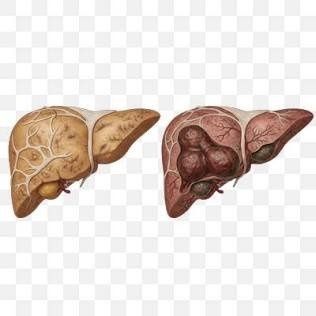
Non-Alcoholic Fatty Liver Disease (NAFLD) is a condition characterized by the accumulation of fat in the liver, not caused by excessive alcohol consumption. It represents a spectrum of liver disorders ranging from simple fatty liver, known as steatosis, to more severe forms like non-alcoholic steatohepatitis (NASH), which can lead to fibrosis, cirrhosis, and even liver cancer. The primary distinction between NAFLD and alcoholic liver diseases lies in alcohol intake; NAFLD occurs in individuals who consume little to no alcohol.
According to recent studies, the prevalence of NAFLD has been increasing globally, particularly in Western societies. It is estimated that approximately 25%-30% of adults in the United States are affected, and this rate is similarly observed in various developed countries. Factors such as obesity, diabetes, and metabolic syndrome contribute significantly to the rising incidence. Furthermore, NAFLD is not limited to adults; it is also notably seen in children and adolescents, often linked to obesity and unhealthy dietary patterns.
Diagnosing NAFLD typically involves a combination of clinical evaluation, blood tests, and imaging studies. Ultrasound is commonly used for initial screening due to its availability and non-invasive nature. However, obtaining a liver biopsy may be necessary to confirm the diagnosis and assess the severity, particularly in differentiating between simple steatosis and NASH, where inflammation and liver cell injury are present.
In summary, NAFLD represents a growing public health concern with potential serious implications for liver health. Understanding its definitions, types, and diagnostic criteria is vital for effective management and intervention strategies.
Causes and Risk Factors of NAFLD
Non-Alcoholic Fatty Liver Disease (NAFLD) is primarily characterized by the accumulation of fat in the liver without a history of alcohol abuse. Various factors contribute to the development of this condition, including obesity, insulin resistance, metabolic syndrome, and type 2 diabetes. Obesity stands as one of the leading risk factors for NAFLD; individuals with excess body weight often exhibit higher levels of liver fat.
Insulin resistance is another critical factor associated with NAFLD. It leads to elevated blood sugar levels and impairs the body’s ability to manage glucose effectively, promoting fat accumulation in the liver. A significant percentage of individuals diagnosed with NAFLD also exhibit insulin resistance, correlating strongly with their overall metabolic health.
Metabolic syndrome—a cluster of conditions including hypertension, high blood sugar, excess abdominal fat, and abnormal cholesterol levels—also significantly increases the risk for NAFLD. The interrelationship between these conditions creates an environment conducive to liver fat deposition.
Moreover, type 2 diabetes is particularly concerning; many individuals with this condition develop NAFLD as a result of their impaired glucose metabolism. It is imperative to consider lifestyle factors as well, such as physical inactivity, poor dietary habits, and sedentary behavior, that exacerbate these underlying conditions and contribute to fatty liver disease. Diets high in refined carbohydrates, saturated fats, and sugar are linked to increased liver fat, while a lack of regular exercise further compounds the risk.
Other risk factors include genetic predispositions, age, and certain medications that can lead to fat accumulation in the liver. In understanding the multifaceted causes and risk factors of NAFLD, it becomes clear how critical it is to adopt a holistic approach aimed at addressing lifestyle choices and underlying health conditions to mitigate the risks of developing this increasingly prevalent condition.
Symptoms of NAFLD
Non-Alcoholic Fatty Liver Disease (NAFLD) is often referred to as a silent condition due to its initial asymptomatic nature. Many individuals diagnosed with NAFLD may not exhibit noticeable symptoms, making it challenging for healthcare providers to identify the disease in its early stages. However, as the condition progresses, some patients may start experiencing a variety of symptoms that signal potential liver dysfunction.
One of the most common symptoms associated with NAFLD is fatigue. Individuals may find themselves feeling unusually tired or lacking energy, which can affect daily activities. Additionally, discomfort or pain in the upper right abdomen is another potential indicator. This discomfort may arise due to the enlargement of the liver as fat accumulates, which can create pressure within the abdominal cavity.
Furthermore, people with NAFLD may notice unexpected weight changes. Unexplained weight gain or difficulty in losing weight can be linked to the metabolic disturbances caused by fatty liver disease. It is also important to monitor for other related health issues, including insulin resistance or Type 2 diabetes, which can often coexist with NAFLD due to common risk factors such as obesity and sedentary lifestyle.
Individuals might also experience symptoms such as jaundice, characterized by yellowing of the skin and eyes, which signifies more advanced liver disease. In some cases, there may be swelling in the legs or abdomen due to liver-related complications such as fluid retention. A thorough evaluation by a healthcare professional is essential for anyone experiencing these symptoms, as they may warrant further investigation into the underlying causes.
Diagnosis of NAFLD
Diagnosing Non-Alcoholic Fatty Liver Disease (NAFLD) involves a comprehensive approach utilizing various diagnostic tools. Initially, blood tests play a critical role in the assessment. These tests typically measure liver enzymes, such as alanine aminotransferase (ALT) and aspartate aminotransferase (AST), which may be elevated in individuals with liver inflammation or damage. Furthermore, lipid profiles and other metabolic markers are analyzed to evaluate the underlying risk factors associated with NAFLD, including insulin resistance and metabolic syndrome.
In addition to blood tests, imaging studies are invaluable in the diagnosis of NAFLD. Ultrasound is often the first imaging technique employed because it is non-invasive and can effectively visualize fat accumulation in the liver. However, its sensitivity may be limited in identifying steatosis in patients with mild disease. Computed Tomography (CT) and Magnetic Resonance Imaging (MRI) are more advanced imaging modalities that provide a more precise assessment of liver fat content and liver structure, making them useful in situations where ultrasound results are inconclusive.
In certain cases, a liver biopsy may be recommended to confirm a diagnosis of NAFLD, particularly when there is uncertainty regarding the severity of liver damage or when non-invasive methods yield ambiguous results. The biopsy not only helps in confirming the presence of steatosis but also allows for the evaluation of inflammation and fibrosis, thereby guiding management strategies. Overall, the combination of clinical history, blood tests, imaging techniques, and, when necessary, liver biopsy provides a robust framework for the accurate diagnosis of NAFLD, ensuring that appropriate treatment pathways are explored for affected individuals.
Complications Associated with NAFLD
Non-Alcoholic Fatty Liver Disease (NAFLD) can lead to several complications that pose significant health risks. One of the most serious potential outcomes of NAFLD is the progression to Non-Alcoholic Steatohepatitis (NASH). NASH is characterized by liver inflammation and damage resulting from fat accumulation, and over time, it can progress to more severe liver conditions.
Progression from NAFLD to NASH is a critical concern, as NASH can escalate the risk of developing cirrhosis. Cirrhosis involves significant scarring of the liver, which impairs its ability to function effectively. This deterioration of liver function may manifest through various symptoms, such as jaundice, fluid retention, and increased vulnerability to infections.
A more dire complication associated with severe liver disease is the development of liver cancer, particularly hepatocellular carcinoma. Chronic liver conditions, such as cirrhosis stemming from NASH, substantially increase the likelihood of cancerous transformations in liver cells. Regular monitoring and management are essential for those with diagnosed NAFLD to mitigate this risk.
Furthermore, the implications of NAFLD extend beyond liver-related conditions. Research indicates a strong correlation between NAFLD and cardiovascular diseases. Individuals with NAFLD are at a heightened risk of experiencing cardiovascular complications, including heart attacks and strokes. The underlying mechanisms likely involve shared risk factors, such as obesity, insulin resistance, and dyslipidemia.
Given these potential complications, it is vital for individuals diagnosed with NAFLD to engage in effective management strategies. Addressing lifestyle factors such as diet, exercise, and weight control can help mitigate the disease’s progression and associated risks. Close collaboration with healthcare providers is essential in monitoring liver health and preventing serious health outcomes.
Treatment and Management Strategies for NAFLD
Treatment and management strategies for Non-Alcoholic Fatty Liver Disease (NAFLD) predominantly focus on lifestyle modifications, as there are currently no FDA-approved medications specifically for this condition. The cornerstone of NAFLD management is lifestyle changes that emphasize dietary recommendations and increased physical activity.
Diet plays a crucial role in managing NAFLD. A balanced diet emphasizing whole foods, including fruits, vegetables, whole grains, lean protein, and healthy fats, is recommended. Reducing the intake of saturated fats, added sugars, and refined carbohydrates is essential, as these can contribute to fat accumulation in the liver. Incorporating a Mediterranean-style diet has shown favorable outcomes in supporting liver health.
Regular exercise is another significant factor in managing NAFLD. Engaging in a routine of at least 150 minutes of moderate-intensity aerobic exercise per week can help reduce liver fat, improve insulin sensitivity, and support weight loss. Combining aerobic activities with strength training exercises can enhance overall physical fitness and aid in the reduction of liver inflammation.
Weight loss is often advised for individuals with NAFLD, particularly for those who are overweight or obese. A gradual weight loss of 5-10% of body weight has demonstrated improvements in liver histology and may reverse liver damage. It is essential to approach weight loss through sustainable practices, focusing on long-term changes rather than extreme diets.
In some cases, medical interventions may be necessary. Physicians may consider pharmacological treatments to address associated conditions, such as diabetes, hyperlipidemia, or hypertension. Regular monitoring of liver function tests and imaging studies is crucial in guiding treatment adaptations.
Overall, the multidisciplinary approach encompassing lifestyle changes, dietary recommendations, exercise, and ongoing medical assessment can significantly improve management outcomes for individuals with NAFLD.
Lifestyle Changes to Prevent NAFLD
Non-Alcoholic Fatty Liver Disease (NAFLD) is increasingly prevalent, making lifestyle modifications crucial for prevention. A balanced diet is foundational in mitigating the risk associated with this condition. Incorporating a variety of fruits, vegetables, whole grains, and lean proteins can promote liver health. It is advisable to limit processed foods high in sugars and unhealthy fats, which can contribute to weight gain and fat accumulation in the liver.
Regular physical activity is another vital component of a preventative strategy against NAFLD. Engaging in at least 150 minutes of moderate aerobic exercise per week can significantly reduce liver fat and improve overall metabolic health. Activities such as walking, swimming, or cycling not only help maintain a healthy weight but also enhance cardiovascular fitness, which is particularly beneficial for liver function.
Alcohol consumption should also be moderated, as excessive alcohol intake can exacerbate liver conditions. While some studies suggest that moderate alcohol consumption may have health benefits, for individuals at risk of NAFLD, it is recommended to limit intake or abstain completely. Additionally, maintaining hydration through proper water consumption supports various bodily functions, including liver detoxification.
Managing stress is another critical element in preventing NAFLD. Chronic stress can lead to poor eating habits and a sedentary lifestyle, both of which contribute to the development of fatty liver disease. Techniques such as mindfulness, meditation, and yoga can provide effective stress relief and promote a healthier mindset.
Adopting a proactive approach to health can significantly decrease the risk of NAFLD. These lifestyle adjustments, focusing on nutrition, exercise, and overall well-being, provide a solid foundation for maintaining a healthy liver and reducing disease risk.
The Role of Diet in Managing NAFLD
Diet plays a pivotal role in the management of Non-Alcoholic Fatty Liver Disease (NAFLD). Research suggests that specific dietary patterns can significantly influence liver health by reducing fat accumulation in the liver and improving metabolic functions. One of the most recommended dietary approaches is the Mediterranean diet, which emphasizes whole foods, healthy fats, and low glycemic index carbohydrates. This diet includes a variety of fruits, vegetables, whole grains, legumes, nuts, and olive oil, all of which are known to have beneficial effects on liver function. The anti-inflammatory properties of such foods can help combat the inflammation often associated with NAFLD.
Another crucial aspect in managing NAFLD is the reduction of added sugars in the diet. High sugar intake, particularly from refined carbohydrates and sugary beverages, can lead to increased liver fat and liver damage. Thus, it is advisable to limit the consumption of soda, sweets, and processed foods that are high in sugar. Instead, incorporating complex carbohydrates such as whole grains and vegetables can stabilize blood sugar levels and reduce the risk of fat buildup in the liver.
Moreover, the integration of antioxidants into the diet can further support liver health. Antioxidants, found in foods such as berries, leafy greens, and nuts, help to neutralize free radicals and reduce oxidative stress, which is a contributing factor to liver damage. Consuming a diet rich in antioxidants can promote overall liver function and mitigate the progression of NAFLD.
In summary, adopting dietary strategies such as the Mediterranean diet, reducing sugar intake, and increasing the consumption of antioxidant-rich foods can play a crucial role in managing NAFLD. By making informed dietary choices, individuals can positively influence their liver health and improve their overall quality of life.
Research and Future Directions in NAFLD Management
Recent research in the realm of Non-Alcoholic Fatty Liver Disease (NAFLD) has unveiled crucial insights that may significantly influence its management. Studies have indicated that the prevalence of NAFLD is rising, with estimates suggesting it may impact approximately 30% of the global population, especially among those with metabolic syndrome. Ongoing research is exploring the complex interplay between genetic predispositions, environmental factors, and lifestyle in the pathogenesis of NAFLD. This knowledge is imperative for developing personalized treatment approaches.
One promising area of investigation is the identification of biomarkers that can aid in the early diagnosis and monitoring of NAFLD progression. For instance, serum levels of certain enzymes and metabolites are being evaluated for their correlation with liver histology. These markers could allow for timely interventions and monitoring, possibly improving patient outcomes. Moreover, advancements in imaging techniques, such as elastography and MRI, are being utilized to assess liver stiffness and fat content non-invasively, thus providing valuable tools for clinicians.
Emerging treatments are also gaining attention. Several pharmacological agents, including sodium-glucose cotransporter-2 (SGLT2) inhibitors and glucagon-like peptide-1 (GLP-1) receptor agonists, are under investigation for their potential dual role in treating diabetes and liver disease. These drugs may help reduce liver fat and inflammation, addressing the underlying metabolic derangements associated with NAFLD.
Looking into the future, there is a pressing need for comprehensive clinical trials to confirm the efficacy and safety of these innovative therapies. Furthermore, public health initiatives aimed at promoting healthy lifestyles and dietary changes will be essential in preventing NAFLD onset. As we deepen our understanding of this condition, collaborative efforts among researchers, healthcare providers, and patients will undoubtedly pave the way for more effective management strategies.
References & Sources
- National Institute of Diabetes and Digestive and Kidney Diseases (NIDDK) – NAFLD & NASH
- World Health Organization (WHO) – Liver Disease Fact Sheets
- NCBI Bookshelf – Non-Alcoholic Fatty Liver Disease (StatPearls)
- PubMed Central – Global Epidemiology of NAFLD
- American Association for the Study of Liver Diseases (AASLD) – NAFLD Overview
- Mayo Clinic – Non-Alcoholic Fatty Liver Disease
- NHS UK – Non-Alcoholic Fatty Liver Disease (NAFLD)
- PubMed – Research Articles on NAFLD Prevalence
Disclaimer: This article is for informational purposes only and does not constitute medical advice. Always consult a qualified healthcare professional for diagnosis and treatment.