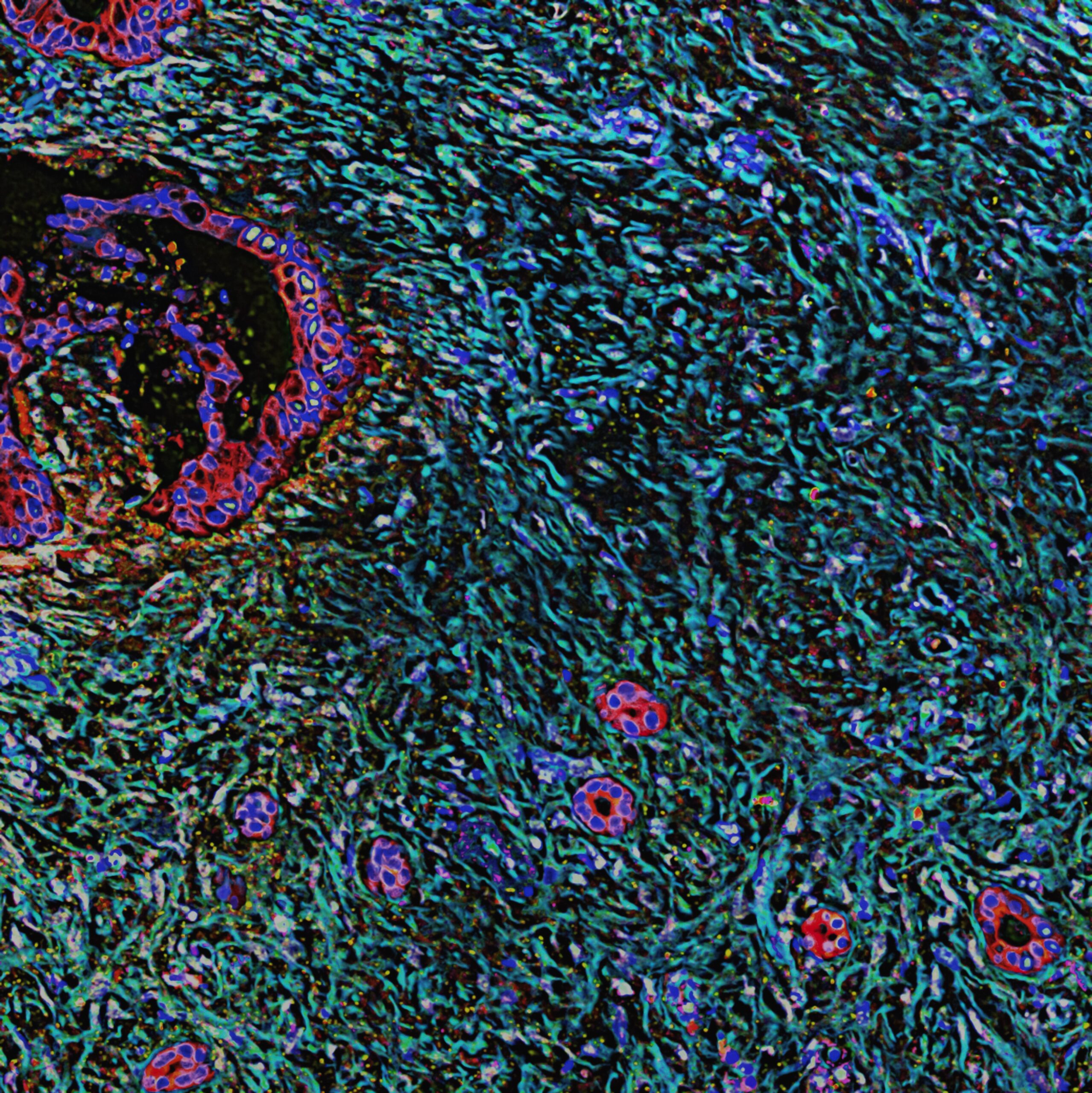

Prostate Cancer: A Comprehensive Guide to Understanding and Managing the Disease
Introduction
Welcome to our comprehensive guide on prostate cancer. In this article, we will provide you with a step-by-step understanding of this disease, including its causes, symptoms, diagnosis, treatment options, and prevention strategies. We will also include references and links to reliable sources for further information.
What is Prostate Cancer?
Prostate cancer is a type of cancer that develops in the prostate gland, which is a small walnut-shaped gland located below the bladder in men. It occurs when abnormal cells in the prostate gland start to grow and divide uncontrollably, forming a tumor.
Causes and Risk Factors
The exact cause of prostate cancer is unknown, but certain risk factors have been identified. Age is the most significant risk factor, with the disease being more common in men over the age of 50. Other risk factors include a family history of prostate cancer, certain genetic mutations, and race (African-American men are at a higher risk).
Symptoms
In its early stages, prostate cancer often does not cause noticeable symptoms. However, as the disease progresses, men may experience symptoms such as frequent urination, difficulty starting or stopping urination, weak urine flow, blood in the urine or semen, erectile dysfunction, and bone pain.
Diagnosis
Early detection plays a crucial role in the successful treatment of prostate cancer. Common diagnostic methods include:
- Prostate-specific antigen (PSA) blood test: Measures the level of PSA, a protein produced by the prostate gland. Elevated PSA levels may indicate the presence of prostate cancer.
- Digital rectal examination (DRE): A physical examination in which a healthcare provider inserts a gloved finger into the rectum to feel for any abnormalities in the prostate gland.
- Prostate biopsy: A procedure in which a small sample of prostate tissue is removed and examined under a microscope to determine if cancer cells are present.
Treatment Options
The treatment of prostate cancer depends on various factors, including the stage of the disease, the aggressiveness of the cancer cells, and the overall health of the patient. Common treatment options include:
- Active surveillance: Monitoring the cancer closely without immediate treatment, especially for slow-growing tumors.
- Surgery: Surgical removal of the prostate gland (prostatectomy) may be recommended in certain cases.
- Radiation therapy: High-energy rays are used to kill cancer cells or prevent their growth.
- Hormone therapy: Medications are used to block the production of hormones that stimulate the growth of prostate cancer cells.
- Chemotherapy: Drugs are used to kill cancer cells that have spread beyond the prostate gland.
And also uses below medicines:
Glenza 160 mg (Enzalutamide) is typically taken as one tablet, once daily, with or without food. You should swallow the tablet whole with a glass of water and not crush, chew, or break it.
To help you use this medication safely and effectively, here are the key guidelines summarized from medical resources:
| Aspect | Recommendation |
|---|---|
| Dosage | 160 mg (one tablet) once daily. |
| Administration | Take with or without food. Swallow whole. Do not crush or chew. |
| Consistency | Take at the same time each day to maintain stable drug levels. |
| Missed Dose | If you miss a dose, take it as soon as you remember. Skip it if your next dose is within 12 hours. Never take two doses at once. |
💡 Important Precautions and Side Effects
Common Side Effects: You may experience fatigue, hot flashes, headache, high blood pressure, joint pain, or dry skin. Taking the tablet at bedtime might help you manage feelings of weakness or fatigue.
Serious Risks: This medication can increase the risk of seizures. Inform your doctor immediately if you have a history of seizures, head injury, or stroke.
Drug Interactions: Do not take this with grapefruit or grapefruit juice, as it can dangerously increase the level of medicine in your blood.
This medication is a potent cancer treatment that works by blocking the effect of male hormones (like testosterone) to slow the growth of prostate cancer cells. It is typically used for advanced prostate cancer that has stopped responding to standard hormone therapy.
Always follow the specific instructions given by your oncologist, as they will provide guidance tailored to your medical history. I hope this information helps you take your medication correctly and safely.
Prevention and Lifestyle Tips
While there is no guaranteed way to prevent prostate cancer, certain lifestyle choices may help reduce the risk. These include:
- Eating a healthy diet rich in fruits, vegetables, and whole grains.
- Exercising regularly and maintaining a healthy weight.
- Avoiding smoking and excessive alcohol consumption.
- Getting regular check-ups and discussing prostate cancer screening with your healthcare provider.
References and Further Reading
For more detailed information on prostate cancer, we recommend consulting the following reputable sources:
- American Cancer Society: https://www.cancer.org/cancer/prostate-cancer.html
- National Cancer Institute: https://www.cancer.gov/types/prostate
- Mayo Clinic: https://www.mayoclinic.org/diseases-conditions/prostate-cancer
We hope this guide has provided you with a comprehensive understanding of prostate cancer. Remember, early detection and timely treatment are key to a successful outcome. If you have any concerns or questions, please consult with a healthcare professional.