
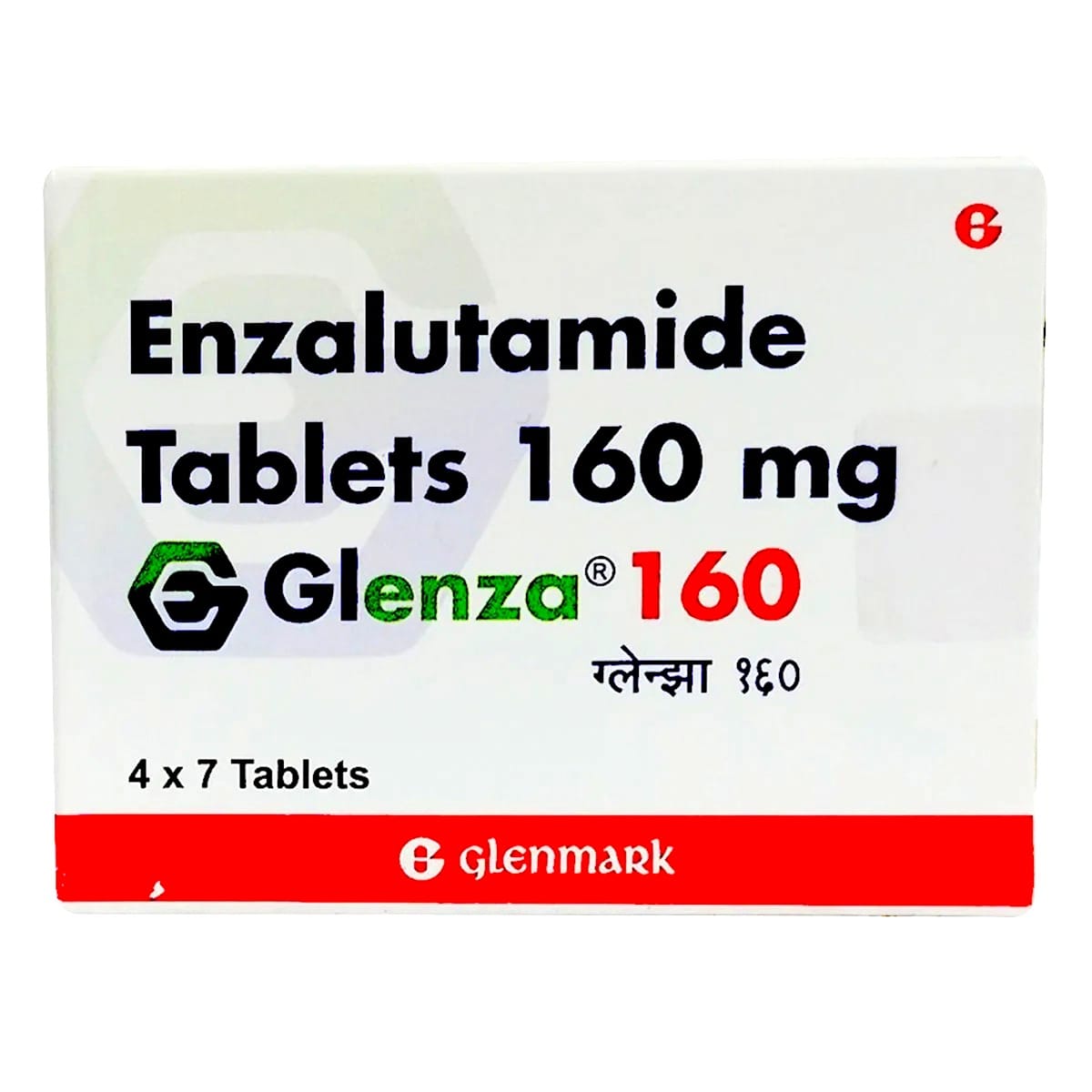
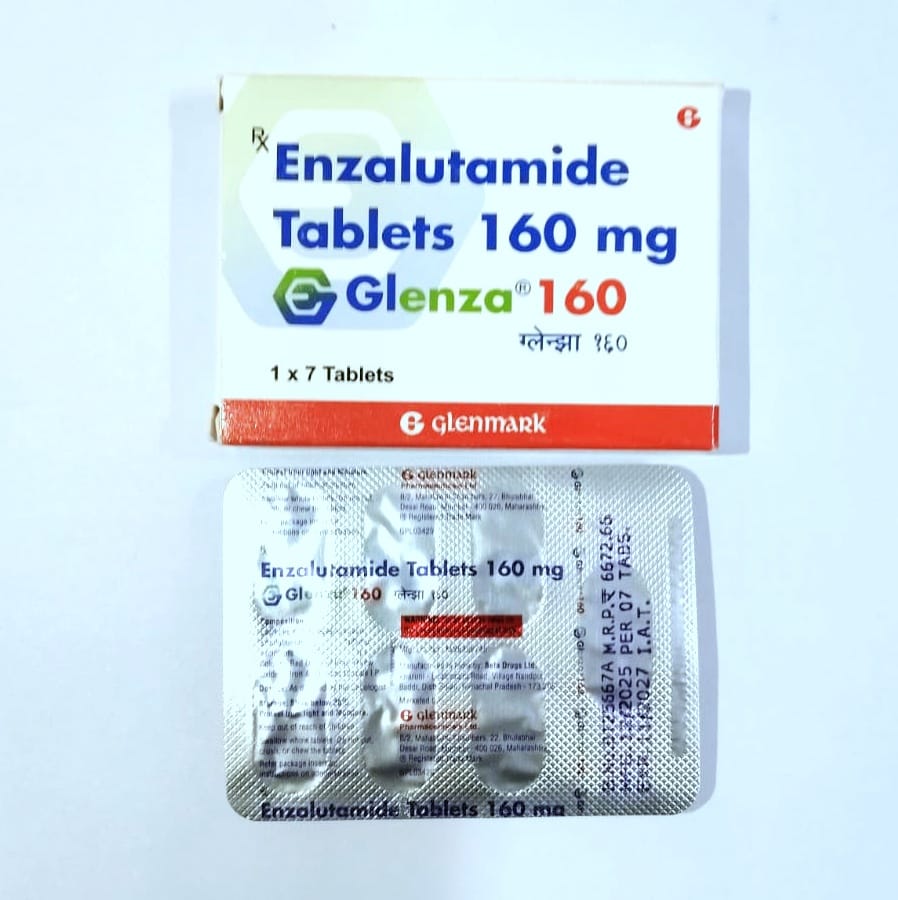


Glenza 160mg Tablet: Introduction, Uses, Benefits, and Many information:
Introduction to Glenza 160mg Tablet
Glenza 160mg Tablet is a medication primarily indicated for the treatment of prostate cancer, specifically in patients with metastatic castration-resistant prostate cancer (mCRPC). Classified as an androgen receptor inhibitor, Glenza 160mg Tablet functions by obstructing the action of androgens, such as testosterone, which are critical for the growth and development of prostate cancer cells. By blocking these receptors, Glenza 160mg Tablet effectively diminishes tumor growth and progression.
Originally developed by the pharmaceutical company Medivation, Glenza 160mg received approval from the U.S. Food and Drug Administration (FDA) in August 2012 for clinical use in men with advanced prostate cancer. Since its launch, Glenza 160mg has revolutionized treatment paradigms, providing patients with an effective therapeutic option that enhances survival rates and quality of life.
The mechanism of action revolves around the inhibition of androgen receptor signaling pathways, which plays a pivotal role in the malignancy of prostate cancer. This is particularly relevant in cases where traditional hormone therapies have become ineffective. By mitigating the androgen receptor’s role, Glenza 160mg allows for a targeted approach to combat advanced forms of the disease.
Moreover, Glenza 160mg is often administered orally, which adds to its convenience and adherence potential among patients. The typical dose is 160mg, taken once daily. This dosing strategy helps maintain therapeutic levels of the drug, promoting its efficacy while minimizing side effects commonly associated with cancer treatments.
In conclusion, Glenza 160mg represents a significant advancement in the treatment of prostate cancer, allowing for targeted therapy that addresses the underlying mechanisms of the disease. Its introduction has enhanced the treatment landscape for many patients suffering from advanced forms of prostate cancer.
Uses of Glenza 160mg
Glenza 160mg is primarily utilized in the field of oncology, especially in the management of metastatic castration-resistant prostate cancer (mCRPC). This specific condition occurs when prostate cancer continues to progress despite the suppression of testosterone, which is primarily responsible for prostate cancer growth. Glenza 160mg is classified as an androgen receptor inhibitor, which works by blocking the action of androgens (male hormones), thus limiting the proliferation of cancer cells that grow in response to these hormones.
In addition to its primary indication, Glenza 160mg has shown potential applications in earlier stages of prostate cancer. For instance, several studies are exploring its efficacy in treating non-metastatic castration-resistant prostate cancer, where it may delay disease progression in patients whose prostate-specific antigen (PSA) levels continue to rise after hormone therapy. The capability of Glenza 160mg to inhibit androgen receptor signaling offers hope for improved patient outcomes in these earlier stages.
Furthermore, ongoing clinical trials are investigating the use of Glenza 160mg in combination with other therapeutic agents. These studies aim to determine the drug’s safety and effectiveness when used alongside traditional treatments such as chemotherapy or radiation therapy. There is also interest in exploring its potential benefits in other malignancies driven by androgen receptors, beyond prostate cancer, although such uses are still in the experimental phase.
In summary, Glenza 160mg serves a crucial role in treating advanced prostate cancer, with ongoing research exploring its efficacy in different stages of the disease and potentially in various other cancers. Its versatility highlights its significance as a therapeutic option in modern oncology.
Mechanism of Action
Glenza 160mg, a non-steroidal anti-androgen, functions primarily through its ability to block the action of androgens, such as testosterone, at the cellular level. The drug works by binding to the androgen receptor, thus preventing the receptor from being activated by androgens. This inhibition is critical as androgens are known to promote the growth of certain types of cancer, particularly prostate cancer.
Upon binding to the androgen receptor, Glenza 160mg interferes with the normal functioning of this receptor. It prevents the receptor from translocating to the nucleus of the cell, where it would ordinarily regulate the expression of genes involved in cell proliferation and survival. This blockade halts the downstream signaling pathways that are crucial for cancer cell growth and division, thereby inhibiting tumor progression.
Additionally, Glenza 160mg also exhibits some degree of action by impeding androgen receptor nuclear translocation and DNA binding. This dual mechanism contributes to the medication’s effectiveness in treating advanced prostate cancer, particularly in patients who do not respond to conventional hormone therapy. By reducing the availability and action of testosterone, Glenza 160mg effectively starves cancer cells of the signals they require for continued growth and survival.
The biochemical pathways affected by Glenza 160mg are extensive, as its mechanism not only targets cancer cells but may also have implications for influencing immune responses within the tumor microenvironment. Hence, understanding how Glenza 160mg works at the molecular level is essential for optimizing its use in clinical settings, ensuring that patients receive a robust and targeted treatment strategy against hormone-sensitive malignancies.
Benefits of Glenza 160mg
Glenza 160mg, an advanced androgen receptor inhibitor, offers several significant benefits in the treatment of prostate cancer. One of the primary advantages is its ability to improve survival rates in patients diagnosed with both metastatic and non-metastatic castration-resistant prostate cancer. Clinical studies have consistently shown that patients who receive Glenza 160mg demonstrate extended overall survival compared to those who do not receive this treatment. This has made Glenza 160mg a vital component in the standard of care for men facing advanced prostate cancer.
In addition to increased survival rates, Glenza 160mg is associated with prolonged progression-free survival. This term refers to the length of time during and after treatment that a patient lives with the disease without it getting worse. Research indicates that patients taking Glenza 160mg can experience a delay in the progression of their cancer, which can significantly affect their treatment timeline and overall management of the disease.
Moreover, beyond the clinical efficacy reflected in survival outcomes, Glenza 160mg may enhance patients’ quality of life. The drug is often associated with a favorable side effect profile compared to traditional hormonal therapies, which can lead to improved daily function and reduced symptom burden. For many patients, this translates into better physical and emotional well-being, allowing them to maintain a more active lifestyle even during treatment.
In summary, the benefits of Glenza 160mg extend beyond mere survival metrics, emphasizing its role in improving progression-free survival and contributing positively to the overall quality of life for individuals battling prostate cancer. As ongoing research continues to explore its effectiveness, Glenza 160mg remains a promising option in the realm of cancer therapeutic strategies.
Dosage and Administration
The recommended dosage for Glenza 160mg varies based on the patient’s specific condition and treatment response. Typically, the standard dosage for adults initiated on this therapy is one capsule of 160 mg taken once daily. This dosage can be taken either with or without food, providing flexibility in administration. It is crucial that patients adhere to the prescribed dosing schedule, as consistent intake at the same time each day maximizes the effectiveness of the medication.
Patients must not alter their dosage without consulting their healthcare provider. In cases where a dose is missed, patients should take it as soon as they remember, unless it is close to the time for their next dose. Under no circumstances should patients take a double dose to make up for a forgotten one. Careful adherence to the dosing schedule can significantly influence the treatment outcome and overall effectiveness of Glenza 160mg.
Furthermore, it is essential for patients to discuss their complete medical history with their healthcare provider before starting Glenza 160mg. Special attention should be paid to pre-existing conditions, any concurrent medications, as well as overall health status, which can influence both the recommended dosage and the patient’s response to treatment. Regular follow-up appointments and monitoring are critical to ensure safety and efficacy throughout the treatment duration. This proactive approach enables adjustments as needed, ensuring that patients achieve the best possible outcomes from their Glenza 160mg therapy.
Potential Side Effects
Glenza 160mg, an androgen receptor inhibitor, is widely used in the treatment of metastatic castration-resistant prostate cancer. However, like any pharmacological agent, it is crucial for patients to be informed about the potential side effects associated with its use. Understanding these side effects can enhance patient safety and therapeutic efficacy.
Common side effects include fatigue, hot flashes, and gastrointestinal issues such as nausea and diarrhea. Patients may also experience joint or muscle pain, which can impact daily activities. These side effects generally present mild to moderate and may diminish as the body adjusts to the medication.
In some cases, more serious side effects may occur. Seizures, though rare, have been reported and warrant immediate medical attention. Patients must also monitor for signs of hypertension, as elevated blood pressure can pose significant health risks. Other uncommon, yet severe reactions involve liver enzyme elevation or severe allergic reactions, including rash or difficulty breathing, which require prompt medical intervention.
Moreover, there are considerations regarding mental health, as some patients have reported mood changes or depressive symptoms. It is essential for healthcare providers to assess the patient’s mental health status throughout treatment.
Patients receiving Glenza 160mg should maintain regular follow-up appointments to monitor side effects and overall health. It is advisable to contact a healthcare professional if any concerning symptoms arise, particularly those that are severe or persistent. By informing themselves of the possible side effects, individuals can take proactive steps to manage their health while undergoing treatment with Glenza 160mg.
Precautions and Contraindications
When considering the use of Glenza 160mg, it is crucial for patients to be aware of the necessary precautions and specific contraindications related to this medication. Glenza 160mg is primarily utilized in the treatment of prostate cancer; however, certain pre-existing health conditions may affect its suitability for individual patients.
Firstly, patients with a history of seizures should exercise caution when being prescribed Glenza 160mg, as there is a potential risk for seizure activity. This is particularly relevant for individuals with pre-existing seizure disorders or those who have risk factors that may predispose them to seizures. Consulting with a healthcare provider regarding a patient’s neurological history is essential prior to initiating treatment.
Additionally, it is important to evaluate any concurrent medications the patient may be taking. Glenza 160mg is known to interact with several other drugs, which can lead to severe side effects or diminished efficacy of either Glenza 160mg or the other medications. For instance, co-administration with strong CYP2C8 inhibitors may necessitate careful monitoring or dosage adjustments, underscoring the need for a complete medication review before commencing treatment.
Moreover, patients should be monitored for potential cardiovascular effects since Glenza 160mg can lead to hypertension. Regular blood pressure assessments are recommended throughout the treatment course. Patients with a history of cardiovascular diseases should consult their physician for a thorough risk assessment to determine the appropriateness of Glenza 160mg therapy.
In conclusion, understanding the precautions and contraindications associated with Glenza 160mg is vital for patient safety and effective treatment. Engaging in open dialogue with healthcare providers, disclosing all medical histories, and undergoing necessary monitoring can help mitigate risks and enhance therapeutic outcomes.
Patient Support and Resources
For patients prescribed Glenza 160mg, support and resources are crucial to manage treatment effectively and to address any concerns that may arise. Various organizations and healthcare systems offer comprehensive support services tailored to individuals on this medication.
Counseling services are readily available for patients during their treatment journey. These sessions provide a safe space for patients to discuss their feelings, side effects, and any questions regarding their therapy. Qualified mental health professionals can assist patients in coping with the emotional aspects of their diagnosis and treatment. Connecting with a counselor can significantly alleviate feelings of anxiety or distress, fostering a more positive outlook on the treatment process.
Educational resources about Glenza 160mg are also vital for patients and their families. Healthcare providers often supply literature that explains the medication’s purpose, potential side effects, and interactions with other medications. This information empowers patients to make informed decisions about their treatment. Patients are encouraged to reach out to their healthcare team for reliable resources, including pamphlets, brochures, and websites dedicated to cancer treatment and medication management.
Additionally, many support communities have emerged, providing platforms for individuals taking Glenza 160mg to connect. These groups offer a sense of camaraderie and understanding, allowing patients to share their experiences, tips, and coping strategies. Online forums and local support groups create a nurturing environment where patients can feel supported as they navigate their treatment journey together.
In conclusion, accessing patient support and resources is essential for anyone under Glenza 160mg therapy. By utilizing counseling services, educational materials, and support communities, patients can enhance their treatment experience and find comfort in shared challenges.
Consultation with Healthcare Professionals
The process of initiating treatment with Glenza 160mg necessitates thorough consultation with healthcare professionals. Before starting this medication, patients should engage in detailed discussions with their healthcare providers to ensure that they understand the potential benefits, risks, and necessary precautions associated with Enzalutamide treatment. This dialogue is crucial not only for establishing a shared treatment plan but also for tailoring the approach to individual health profiles.
Healthcare professionals play a vital role in assessing whether Glenza 160mg is the appropriate treatment choice based on the patient’s medical history, current medications, and overall health status. They can provide insights into how this medication works, including its mechanism of action in relation to prostate cancer, and how it may differ from other similar treatments. Additionally, addressing any pre-existing conditions or concurrent therapies is essential to avoiding adverse interactions and ensuring optimal efficacy.
Open communication is paramount throughout the treatment process. Patients are encouraged to express any concerns regarding side effects, treatment goals, and their overall experience with the medication. Monitoring is an integral aspect of treatment, and healthcare professionals should be informed about any new symptoms or changes in health that arise while taking Glenza 160mg . This will aid in the timely adjustment of the treatment regimen if necessary, thereby maximizing therapeutic outcomes.
In conclusion, consulting healthcare professionals before and during the use of Glenza 160mg fosters a comprehensive treatment strategy that can significantly enhance patient safety and treatment effectiveness. This collaborative approach not only empowers patients but also fosters a culture of informed decision-making within the healthcare setting.
Side effects of Glenza Tablet
Most side effects do not require any medical attention and disappear as your body adjusts to the medicine. Consult your doctor if they persist or if you’re worried about them
Common side effects of Glenza 160mg Tablet
- Hot flashes
- Weakness
- High blood pressure
- Fatigue
- Decreased appetite
- Constipation
- Dry skin
- Itching
- Fall
- Fracture
How to use Glenza Tablet
Take this medicine in the dose and duration as advised by your doctor. Swallow it as a whole. Do not chew, crush or break it. Glenza 160 Tablet may be taken with or without food.
How Glenza Tablet works
Glenza 160 Tablet is an antiandrogen. It works by blocking the effect of the natural male hormones on the growth of prostate cells.
Safety advice
warnings
 Alcohol
CAUTION
Alcohol should be used with caution while taking Glenza 160 Tablet.
warnings
 Pregnancy
UNSAFE
Glenza 160 Tablet is highly unsafe during pregnancy. It can cause serious harm to the unborn baby, including birth defects and pregnancy loss. Do not use this medicine if you are pregnant or planning to become pregnant.
warnings

Breast feeding
UNSAFE
Glenza 160 Tablet is unsafe to use during breastfeeding. Data suggests that the drug may cause toxicity to the baby.
warnings

Driving
UNSAFE
Glenza 160 Tablet may cause side effects that could affect your ability to drive.
warnings
Kidney
CAUTION
Glenza 160 Tablet should be used with caution in patients with severe kidney disease. Dose adjustment may be needed.
warnings

Liver
SAFE IF PRESCRIBED
Glenza 160 Tablet is safe to use in patients with liver disease. No dose adjustment is recommended.
What if you forget to take Glenza Tablet?
If you miss a dose of Glenza 160 Tablet, take it as soon as possible. However, if it is almost time for your next dose, skip the missed dose and go back to your regular schedule. Do not double the dose.
Quick Tips for Patients
- Glenza 160mg is an important medication used in the treatment of prostate cancer. For patients administered with this drug, following a few practical tips can enhance treatment effectiveness and ensure safety. First and foremost, adherence to the prescribed dosage is crucial. If a patient misses a dose, it is important to take it as soon as remembered on the same day. However, if it is almost time for the next scheduled dose, they should skip the missed dose entirely and return to their regular dosing routine. Doubling up on doses is not advised, as it may lead to an increased risk of side effects.
- Storage is another important aspect of managing Glenza 160mg. Patients should keep the medication in its original container and store it at room temperature, away from excess moisture and heat. This ensures that the integrity of the drug is maintained. It is also important to keep the medication out of reach of children and pets, as accidental ingestion can lead to severe consequences.
- Lifestyle adjustments can also support the treatment process. Patients are encouraged to maintain a balanced diet, engage in regular physical activity, and stay well-hydrated. Since Glenza 160mg can affect hormone levels, individuals should communicate any changes, such as increased fatigue or mood swings, to their healthcare provider. Regular follow-up appointments for monitoring and assessment are essential to ensure that the drug is working effectively and to mitigate any potential side effects. In addition, it is beneficial for patients to maintain an open dialogue with their healthcare team regarding any other medications they may be taking, as these can interact with (Glenza 160mg) Enzalutamide. By utilizing these tips, patients can contribute positively to their treatment journey with Enzalutamide.
Fact Box: Glenza 160mg
(Glenza 160mg) Enzalutamide 160mg, an oral medication, is primarily classified as an antihormonal agent. It is specifically designed for the management of prostate cancer, particularly in cases that show resistance to traditional hormone therapies. The drug has been extensively studied for its efficacy and safety, establishing itself as a crucial component in the treatment landscape for advanced prostate cancer.
(Glenza 160mg) Enzalutamide works by inhibiting the androgen receptor signaling pathway, which is crucial for the proliferation of prostate cancer cells. This mechanism is particularly vital in patients whose cancer has progressed despite standard hormonal therapy, providing a new line of defense against the disease.
Key statistics regarding the efficacy of Enzalutamide (Glenza 160mg) reveal that it can significantly extend overall survival and delay the progression of prostate cancer in many patients. Clinical trials have demonstrated that men treated with Enzalutamide (Glenza 160mg) can experience a notable reduction in the risk of disease progression compared to those treated with placebo. Moreover, the drug has been shown to enhance quality of life by alleviating various symptoms associated with advanced prostate cancer.
In terms of safety, while Enzalutamide (Glenza 160mg) is generally well-tolerated, it is associated with side effects that may include fatigue, hot flashes, and hypertension. Precautions must be taken when prescribing the drug especially in patients with a history of seizures or those taking medications that can lower the seizure threshold. Regular monitoring and adjustments may be necessary to manage these potential risks effectively.
Potential Drug Interactions
Enzalutamide 160mg (Glenza 160mg) , a medication utilized primarily in the treatment of prostate cancer, has several potential drug interactions that warrant close attention. Understanding these interactions is crucial for optimizing treatment efficacy and minimizing adverse effects. Interactions can occur not only with prescription medications but also with over-the-counter drugs and supplements.
One significant category of drugs that may interact with Enzalutamide (Glenza 160mg) includes medications that affect liver enzymes, particularly cytochrome P450 (CYP) enzymes. For instance, strong CYP2C8 inducers, such as rifampin or carbamazepine, are of particular concern. These medications can reduce the plasma concentration of Enzalutamide (Glenza 160mg) , potentially leading to decreased therapeutic effects. Conversely, strong CYP2C8 inhibitors like gemfibrozil can increase Enzalutamide levels, increasing the risk of side effects and toxicity. Therefore, healthcare providers should evaluate the necessity and appropriateness of administering these agents concurrently.
Another class of drugs that may interact with Enzalutamide (Glenza 160mg) includes anticoagulants and antiplatelet agents. Medications such as warfarin can have altered pharmacokinetics when taken alongside Enzalutamide. This interaction necessitates frequent monitoring of coagulation parameters to prevent complications like thromboembolism or bleeding events.
Additionally, over-the-counter products that may contain herbal supplements like St. John’s Wort should also be scrutinized, as they can influence the metabolism of Enzalutamide and might ultimately counteract its intended effects.
Patients should be advised to maintain open communication with their healthcare team regarding all medications and supplements they are taking. This practice is essential in managing and mitigating any potential interactions of Enzalutamide with other drugs effectively.
Who Should Not Take Enzalutamide (Glenza 160mg)
Enzalutamide is a medication primarily indicated for the treatment of metastatic castration-resistant prostate cancer. However, it is important to identify populations that should avoid this medication or exercise caution while using it. Certain contraindications must be considered before commencing treatment to minimize potential complications and adverse effects.
Firstly, individuals with a known hypersensitivity to enzalutamide or any of its excipients should not take this medication. Allergic reactions can lead to severe manifestations, including anaphylaxis, which require immediate medical attention. Therefore, thorough medical history reviews are essential before prescribing this drug.
Secondly, patients with a history of seizures must approach enzalutamide (Glenza 160mg) with caution. Clinical studies have reported an increased risk of seizures in this population. Those with pre-existing seizure disorders or conditions that may provoke seizures, including significant brain injuries or structural brain abnormalities, should generally avoid enzalutamide unless deemed absolutely necessary by their healthcare provider.
Moreover, women who are pregnant or breastfeeding should not use enzalutamide. The drug can cause harm to the developing fetus or an infant, leading to serious consequences. Thus, adequate contraceptive measures should be advised for women of childbearing potential during treatment and for a duration post-therapy as recommended by a healthcare provider.
Lastly, caution is advised when considering enzalutamide for patients with severe hepatic impairment. The liver processes numerous medications, including enzalutamide; hence, compromised liver function may alter the drug’s metabolism and increase the risk of toxicity. Regular monitoring of liver function tests may be recommended in such cases, or alternative therapies may be considered.
Consulting Your Doctor
When undergoing treatment with (Glenza 160mg), it is imperative for patients to maintain regular consultations with their healthcare providers. These sessions are crucial for monitoring the effectiveness of the treatment and managing any potential side effects that may arise during the course of therapy. Patients should approach these appointments with a comprehensive understanding of their health status and any new symptoms they may experience.
It is advisable for individuals to compile a list of questions prior to their consultations. Key inquiries may include the expected outcomes of the Enzalutamide treatment, the timeline for those outcomes, and what side effects to watch for. Patients should also ask about the frequency of follow-up appointments and any necessary laboratory tests to evaluate their response to the medication.
Moreover, transparency about other medications is paramount. Patients should inform their healthcare provider of all prescriptions, over-the-counter medications, and supplements they are currently taking. This helps in identifying any potential drug interactions that could compromise the safety and efficacy of Enzalutamide. Additionally, disclosing any health conditions, particularly those affecting the liver or heart, is essential as these can influence treatment decisions.
Overall, the collaborative relationship between patients and their healthcare providers significantly enhances treatment outcomes. Engaging openly about health concerns promotes proactive management of the treatment plan, enabling both parties to make well-informed decisions. The ongoing dialogue ensures that any necessary adjustments can be made promptly, ultimately ensuring that patients receive the best care possible while on Enzalutamide 160mg.
Conclusion and Next Steps
In light of the information presented, it is essential to emphasize the crucial aspects related to Enzalutamide 160mg treatment. This medication is significant in managing specific types of prostate cancer, thereby improving overall patient outcomes. Adherence to the prescribed treatment regimen is vital, as inconsistent intake may jeopardize its efficacy. Patients are encouraged to strictly follow their healthcare provider’s instructions to achieve the best possible results.
Moreover, awareness of potential side effects associated with Enzalutamide is imperative. Patients are advised to monitor any changes in their condition and report unusual symptoms to their healthcare teams promptly. Understanding the side effects allows for better management strategies, ultimately enhancing the patient’s quality of life during treatment.
Open communication with healthcare professionals cannot be overstated. Patients should feel comfortable discussing their treatment experiences, concerns, and any side effects. This dialogue not only fosters trust but also ensures that necessary adjustments can be made in the treatment plan when required. Healthcare teams are equipped with the knowledge and resources to provide support and guidance, which can significantly impact the patient’s journey.
For those seeking more information regarding Enzalutamide or related treatments, numerous resources are available. Engaging with healthcare services, support groups, or educational platforms can provide additional insights and support. Taking proactive steps in understanding the treatment process will empower patients and facilitate better health outcomes.
FAQs ABOUT Glenza 160mg Tablet
1. What is Glenza 160mg tablet used for?
It’s used to treat prostate cancer that has spread to other parts of the body (metastatic) and no longer responds to medical or surgical treatments that lower testosterone.
2. How does Glenza 160mg work?
It blocks androgen receptors on prostate cancer cells, preventing testosterone from binding to them and stimulating cancer growth.
3. What is the usual dose of Glenza 160mg?
The standard dose is 160 mg (one tablet) once daily, taken at the same time each day, with or without food.
4. Should I take Glenza 160mg with food?
You can take it with or without food, but be consistent. Avoid high-fat meals right before or after taking it, as they can increase drug absorption and side effects.
5. What are the most common side effects?
Fatigue, hot flashes, high blood pressure, headache, joint pain, back pain, decreased appetite, and insomnia.
6. Can Glenza 160mg cause seizures?
Yes, seizures have been reported (less than 1% of patients). Avoid it if you have a history of seizures or brain injury. Tell your doctor if you’re on other seizure-lowering meds.
7. Can I take Glenza 160mg with other prostate cancer drugs?
Yes. It’s often used alone or with GnRH agonists (like leuprolide) or after chemotherapy (docetaxel). Always check with your oncologist.
8. What should I avoid while taking Glenza 160mg?
Avoid grapefruit and grapefruit juice (they can increase drug levels). Also avoid driving until you know how it affects you (fatigue/dizziness possible).
9. How should I store Glenza 160mg tablets?
Store at room temperature (68–77°F / 20–25°C), away from light and moisture. Keep in original container.
10. What happens if I miss a dose?
If you miss a dose, take it as soon as you remember that same day. If you miss a full day, skip it and take the next dose at the regular time. Do not double up.
11. Can women take or handle Glenza 160mg?
No. Glenza 160mg can harm a developing fetus. Pregnant or potentially pregnant women should not handle crushed or broken tablets. Men taking it should use condoms during sex with pregnant partners.
12. Does Enzalutamide affect blood pressure?
Yes. It can cause high blood pressure. Your doctor will monitor your BP regularly and may start or adjust your BP medication.
13. How long do I need to take Glenza 160mg?
Typically, as long as it remains effective and side effects are manageable. Your doctor will evaluate your PSA and scans every few months.
14. Is Glenza 160mg chemotherapy?
No. It’s an antiandrogen (hormone therapy), not chemotherapy. It targets hormone receptors, not rapidly dividing cells like chemo does.
15. Can I drink alcohol while taking Glenza 160mg?
Limited alcohol is likely fine, but avoid heavy drinking because Glenza 160mg can cause dizziness, fatigue, and liver stress. Ask your doctor.
16. How long does it take to see results?
PSA levels often start dropping within 4–8 weeks. Maximum benefit may take 3–6 months, but individual response varies.
17. Does Glenza 160mg cause weight gain?
Not typically. Some patients experience decreased appetite and weight loss. Weight gain is rare and may be related to other conditions.
18. What blood tests are needed while on Glenza 160mg?
Regular liver function tests (risk of liver injury) and blood pressure checks. Your doctor may also monitor blood cell counts and electrolytes.
19. Can I stop Glenza 160mg suddenly if I have side effects?
No. Do not stop without talking to your doctor. Stopping suddenly may cause a rapid rise in PSA and cancer progression. Your doctor can help manage side effects.
20. Is generic Glenza 160mg available?
Yes, generic versions are available in many countries, which are usually less expensive than the brand name (Xtandi®). Ask your pharmacist.
21. what is the Glenza 160mg tablet price in india?
A: The price of Glenza 160mg Tablet is cheaper if you buy it in bulk, the last rate of Glenza 160mg tablet is available in 3299.You Can Order From HIVHUB.IN With Free Shipping Cash On Delivery Available No Hidden Charges.
References:
- Briggs GG, Freeman RK, editors. A Reference Guide to Fetal and Neonatal Risk: Drugs in Pregnancy and Lactation. 10th ed. Philadelphia, PA: Wolters Kluwer Health; 2015. pp. 474-75.
- Central Drugs Standard Control Organisation (CDSCO). [Accessed 27 Mar. 2019] (online) Available from: https://cdscoonline.gov.in/CDSCO/Drugs
- Enzalutamide [Product Information]. Netherlands: Astellas Pharma Europe B.V.; [Accessed on 27 Mar. 2019] (online) Available from: https://www.ema.europa.eu/en/documents/product-information/xtandi-epar-product-information_en.pdf
- CiplaMed: Enzalutamide [Prescribing Information]. 2022. [Accessed 20 Feb. 2024] (online) Available from: https://www.ciplamed.com/product-index/Xylutide
- Enzalutamide [Product Monograph]. Markham, ON: Astellas Pharma Canada, Inc.; 2020. [Accessed 14 Mar. 2026] (online) Available from: https://pdf.hres.ca/dpd_pm/00057056.PDF
- Enzalutamide [Prescribing Information]. Northbrook, IL: Astellas Pharma US, Inc.; 2018. [Accessed 14 Mar. 2026] (online) Available from: https://www.accessdata.fda.gov/drugsatfda_docs/label/2018/203415s014lbl.pdf

There are no reviews yet.