
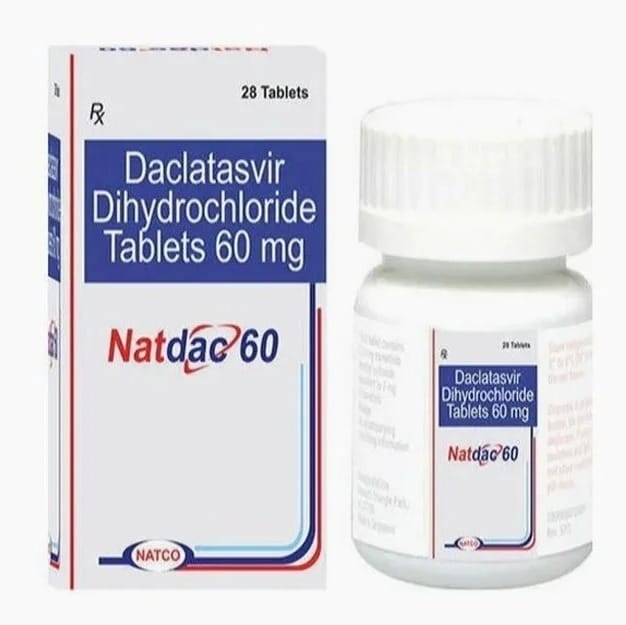
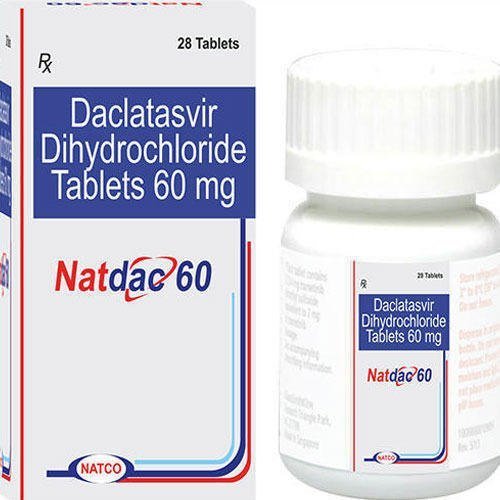

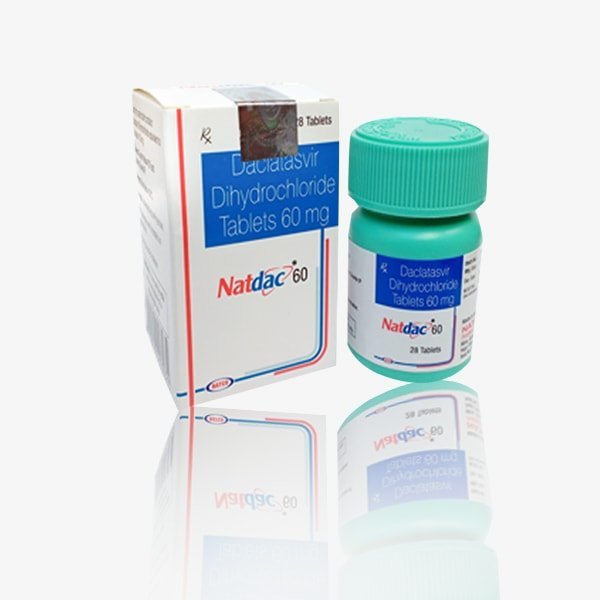
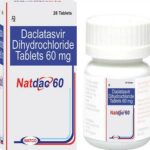
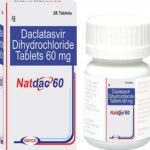


Natdac 60 Tablet (Daclatasvir 60mg): Complete Product Information
Product Overview
Natdac 60 Tablet is a prescription-based antiviral medication containing Daclatasvir (60 mg) as its active pharmaceutical ingredient. It belongs to the class of hepatitis C virus (HCV) NS5A inhibitors and is used exclusively in combination with other antiviral agents for the treatment of chronic hepatitis C virus (HCV) infection .
Natdac 60 is manufactured by Natco Pharma Ltd , a prominent Indian pharmaceutical company known for producing high-quality generic antiretroviral and antiviral medications . The medication has revolutionized hepatitis C treatment by offering a more tolerable and highly effective alternative to older interferon-based regimens.
Hepatitis C is a serious viral infection that primarily affects the liver. If left untreated, chronic HCV infection can lead to progressive liver damage, including cirrhosis (liver scarring), liver failure, and hepatocellular carcinoma (liver cancer). Natdac 60, when used as part of a direct-acting antiviral (DAA) regimen, helps eliminate the virus from the body, allowing the liver to heal and preventing long-term complications .
Natdac 60 is not a cure for hepatitis C in the sense of preventing reinfection, but when used appropriately in combination therapy, it achieves sustained virologic response (SVR) —essentially a cure—in over 90% of patients. The goal of treatment is to achieve SVR at 12 weeks after completing therapy (SVR12), which indicates that the virus has been cleared from the bloodstream and is no longer detectable .
Key Specifications
| Specification | Details |
|---|---|
| Brand Name | Natdac 60 |
| Active Ingredient | Daclatasvir Dihydrochloride (equivalent to Daclatasvir 60 mg) |
| Strength | 60 mg per tablet |
| Dosage Form | Film-coated tablet for oral administration |
| Pack Size | 28 tablets per bottle |
| Manufacturer | Natco Pharma Ltd, India |
| Manufacturer Address | Natco House, Road No.2, Banjara Hills, Hyderabad-500 034, India |
| Prescription Requirement | Prescription Required |
| Shelf Life | 24 months |
| Storage Conditions | Store at room temperature (below 30°C), away from moisture and direct light. Keep in original container. |
| Therapeutic Class | Antiviral Agent (HCV NS5A Inhibitor) |
| Route of Administration | Oral |
| Country of Origin | India |
Clinical Pharmacology (How Natdac 60 Works)
Mechanism of Action
Natdac 60 contains Daclatasvir, a first-in-class HCV NS5A inhibitor. To understand how this medication works, it is helpful to understand the lifecycle of the hepatitis C virus.
The HCV Lifecycle:
The hepatitis C virus enters liver cells (hepatocytes)
The virus uses its RNA (genetic material) to produce viral proteins
A viral protein called NS5A plays a critical role in viral RNA replication and assembly of new virus particles
Without functional NS5A, the virus cannot multiply or produce infectious progeny
How Daclatasvir Works:
Daclatasvir specifically targets and inhibits the NS5A protein. It binds to the NS5A protein with very high affinity, disrupting two essential viral functions :
Inhibition of RNA Replication: By binding to NS5A, daclatasvir prevents the virus from copying its RNA genome. Without this replication step, the virus cannot produce new genetic material to package into new virus particles.
Disruption of Virus Assembly: NS5A is also involved in the assembly of new virus particles. Daclatasvir interferes with this assembly process, preventing the formation of mature, infectious viruses.
The molecular structure of daclatasvir has twofold symmetry, which is significant because the NS5A protein functions as a dimer (two identical proteins working together). Research suggests that daclatasvir binds to this dimer interface, explaining its potent antiviral activity .
The Importance of Combination Therapy
CRITICAL: Natdac 60 must NEVER be used as monotherapy (alone). Daclatasvir is always used in combination with other direct-acting antivirals, typically:
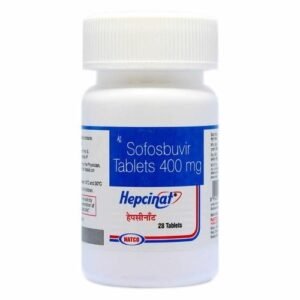
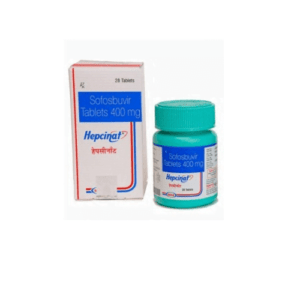
Sofosbuvir (400 mg) – an HCV NS5B polymerase inhibitor
With or without Ribavirin – a broad-spectrum antiviral nucleoside analogue
The combination of daclatasvir with sofosbuvir targets the virus at two different stages of its lifecycle, making it extremely difficult for the virus to develop resistance. This dual-target approach is why modern DAA regimens achieve cure rates exceeding 95% .
Pharmacokinetics
| Parameter | Details |
|---|---|
| Absorption | Well absorbed orally; food does not significantly affect absorption |
| Time to Peak Concentration | Approximately 2 hours after dosing |
| Protein Binding | Approximately 99% |
| Metabolism | Primarily by CYP3A4 enzyme in the liver |
| Half-life | Approximately 12-15 hours |
| Elimination | Primarily in feces (53%) and urine (22%) |
| Dosing Frequency | Once daily (due to favorable half-life) |
Potency by HCV Genotype
Daclatasvir is effective against multiple HCV genotypes, with some variability in potency:
Genotype 1b: Most sensitive to daclatasvir
Genotype 1a: Less potently affected; resistance mutations have a greater effect than in genotype 1b
Genotype 3: Effective, though longer treatment duration may be required in cirrhotic patients
Genotype 4: Effective with appropriate combination therapy
Primary Uses (Indications)
Natdac 60 Tablet is indicated for the treatment of chronic hepatitis C virus (HCV) infection in combination with other antiviral agents .
Specific Indications by Genotype
HCV Genotype 1 Infection:
In combination with sofosbuvir, with or without ribavirin
Effective in treatment-naïve and treatment-experienced patients
Suitable for patients with or without cirrhosis (compensated)
HCV Genotype 3 Infection:
In combination with sofosbuvir
For patients without cirrhosis: 12-week treatment course
For patients with cirrhosis: 24-week treatment course (with or without ribavirin)
HCV Genotype 4 Infection:
In combination with sofosbuvir
May also be used with pegylated interferon and ribavirin
Post-Liver Transplant HCV Recurrence:
In combination with sofosbuvir and ribavirin for patients who develop HCV recurrence after liver transplantation
Key Benefits
High Cure Rates: Clinical studies demonstrate SVR12 rates exceeding 90-95% across multiple genotypes
Oral Administration: No injections required (unlike older interferon-based therapy)
Short Treatment Duration: Typically 12 to 24 weeks, compared to 48 weeks with interferon
Fewer Side Effects: Well-tolerated compared to interferon-based regimens
All-Oral Regimen: No need for injectable medications
Dosage and Administration
Standard Adult Dose
The recommended dosage of Natdac 60 for most adults is one 60 mg tablet taken once daily .
Important Administration Guidelines:
| Instruction | Details |
|---|---|
| Frequency | Once daily |
| Timing | Same time each day (maintains consistent blood levels) |
| With/Without Food | Can be taken with or without food |
| Swallowing | Swallow whole with a glass of water; do NOT chew, crush, or break |
| Combination Partner | Always take with sofosbuvir 400 mg (never take daclatasvir alone) |
| Treatment Duration | Usually 12 or 24 weeks depending on genotype and cirrhosis status |
Duration of Therapy by Patient Category
Genotype 1 or 4:
Without cirrhosis: 12 weeks (daclatasvir + sofosbuvir)
With compensated cirrhosis (Child-Pugh A or B): 12 weeks (daclatasvir + sofosbuvir + ribavirin) OR 24 weeks (daclatasvir + sofosbuvir without ribavirin)
With decompensated cirrhosis (Child-Pugh C): 24 weeks (daclatasvir + sofosbuvir ± ribavirin)
Genotype 3:
Without cirrhosis: 12 weeks (daclatasvir + sofosbuvir)
With cirrhosis: 24 weeks (daclatasvir + sofosbuvir ± ribavirin)
Post-Liver Transplant:
Without cirrhosis: 12 weeks (daclatasvir + sofosbuvir + ribavirin)
With cirrhosis: 24 weeks (daclatasvir + sofosbuvir ± ribavirin)
Missed Dose Instructions
If you miss a dose and it has been less than 12 hours since your scheduled time: Take the missed dose immediately with food
If you miss a dose and it has been more than 12 hours: Skip the missed dose and take the next dose at your regular scheduled time
Do NOT double the dose to make up for a missed dose
Overdose
No specific overdose symptoms have been reported with daclatasvir. However, taking more than the prescribed dose will not improve treatment outcomes and may increase the risk of side effects. If you suspect an overdose, seek medical attention immediately or contact a poison control center .
Side Effect Profile
Natdac 60 is generally well-tolerated, with a favorable safety profile compared to older hepatitis C treatments like interferon-based regimens. However, as with all medications, side effects can occur .
Common Side Effects (Occurring in >5-10% of patients)
These side effects are typically mild to moderate and often resolve as the body adjusts to the medication:
| Side Effect | Frequency | Management Tips |
|---|---|---|
| Fatigue | Common | Rest when needed; maintain good sleep hygiene; stay hydrated |
| Headache | Common | Stay hydrated; rest in a quiet, dark room; use cold/warm compresses; over-the-counter pain relievers (after consulting doctor) |
| Nausea | Common | Take with food; eat small, frequent meals; avoid greasy or spicy foods |
| Insomnia (difficulty sleeping) | Less common | Practice good sleep hygiene; avoid caffeine before bedtime |
| Anemia (low red blood cell count) | Less common (more common when used with ribavirin) | Your doctor will monitor blood counts; include iron-rich foods in diet |
| Diarrhea | Less common | Stay hydrated; avoid dairy and high-fiber foods temporarily |
| Dizziness | Less common | Avoid driving or operating machinery if affected |
| Rash | Less common | Monitor for severity; report to doctor if worsening |
Less Common Side Effects
Abdominal pain
Joint pain (arthralgia)
Muscle pain (myalgia)
Weakness (asthenia)
Drowsiness (somnolence)
Side Effects Requiring Immediate Medical Attention
| Warning Sign | Potential Concern | Action |
|---|---|---|
| Severely slow heart rate (bradycardia) | Interaction with amiodarone or other heart medications | Seek emergency care |
| Chest pain | Cardiac complication | Seek immediate medical attention |
| Shortness of breath | Possible heart or lung issue | Seek immediate medical attention |
| Confusion or memory problems | Possible hepatic encephalopathy or other serious condition | Contact doctor immediately |
| Extreme fatigue or weakness | Possible anemia or other complication | Contact doctor |
| Yellowing of skin/eyes (jaundice) | Liver dysfunction or HBV reactivation | Seek immediate medical attention |
| Dark urine | Possible liver problem | Contact doctor |
| Swelling of face, tongue, or throat | Severe allergic reaction (rare) | Seek emergency care immediately |
Side Effect Management Strategies
For Headache:
Drink adequate water to prevent dehydration
Practice deep breathing and meditation for stress relief
Ensure 7-8 hours of sleep
Lie down in a quiet, dark room
Apply cold or warm compresses
Use over-the-counter pain relievers (acetaminophen/ibuprofen) after consulting your doctor
Seek immediate medical attention for sudden, severe headaches
For Nausea:
Take medication with food
Eat small, frequent meals rather than large meals
Avoid strong odors and greasy/spicy foods
Stay hydrated with clear fluids
For Fatigue:
Plan rest periods throughout the day
Maintain a regular sleep schedule
Engage in light physical activity as tolerated
Stay well-nourished and hydrated
Contraindications
Natdac 60 Tablet is contraindicated in the following situations:
1. Hypersensitivity
Known severe allergic reaction to daclatasvir, any component of the formulation, or other NS5A inhibitors
2. Concomitant Medications (Strong CYP3A Inducers)
Natdac 60 must NOT be used with drugs that are strong inducers of CYP3A, as these medications significantly reduce daclatasvir blood levels, leading to treatment failure. These include:
| Contraindicated Drug Class | Examples |
|---|---|
| Antibiotics | Rifampicin, Rifabutin |
| Antiepileptics | Carbamazepine, Phenytoin, Phenobarbital |
| Corticosteroids | Dexamethasone (systemic) |
| Herbal Products | St. John’s Wort |
3. Monotherapy (Use Without Sofosbuvir)
Daclatasvir must never be used alone. It should always be used in combination with sofosbuvir (and sometimes ribavirin). Using daclatasvir as monotherapy significantly increases the risk of viral resistance and treatment failure .
Warnings and Special Precautions
1. Hepatitis B Virus (HBV) Reactivation
CRITICAL WARNING: There have been reports of hepatitis B virus reactivation in patients co-infected with HCV and HBV who are treated with direct-acting antivirals, including daclatasvir .
Required Actions:
All patients should be screened for HBV infection before starting Natdac 60
Testing should include HBsAg and HBcAb
Patients with evidence of prior HBV infection should be monitored for clinical and laboratory signs of hepatitis flare during and after treatment
HBV reactivation can be severe and may lead to liver failure or death
2. Symptomatic Bradycardia (Slow Heart Rate)
Serious Warning: Serious symptomatic bradycardia (abnormally slow heart rate) has been reported in patients taking amiodarone (a heart medication) who are treated with sofosbuvir-containing regimens, including those containing daclatasvir .
Risk Factors:
Patients taking beta-blockers
Patients with underlying cardiac disease
Patients with liver disease
Symptoms to Monitor:
Dizziness or lightheadedness
Fainting or near-fainting
Shortness of breath
Chest pain
Confusion or memory problems
Extreme fatigue
Action: If you take amiodarone or have any heart condition, inform your doctor before starting Natdac 60. Cardiac monitoring may be required.
3. Drug-Induced Liver Injury
While rare, liver injury has been reported with daclatasvir-containing regimens. Monitor for signs of liver dysfunction (jaundice, dark urine, severe fatigue, abdominal pain).
4. Immune Reconstitution Inflammatory Syndrome (IRIS)
In patients co-infected with HIV and HCV, starting direct-acting antiviral therapy may lead to IRIS, where the recovering immune system mounts an inflammatory response against previously undiagnosed opportunistic infections.
5. Pregnancy and Contraception
The safety of daclatasvir during pregnancy has not been fully established. There are no adequate and well-controlled studies in pregnant women .
When used with ribavirin (Pregnancy Category X), extreme caution is required. Ribavirin is contraindicated in pregnancy and for 6 months after treatment in both female patients and female partners of male patients.
Effective contraception must be used during treatment and for 5 weeks after the last dose of daclatasvir when used with ribavirin .
6. Breastfeeding
It is unknown whether daclatasvir is excreted in human breast milk. Because of the potential for adverse effects in nursing infants, a decision should be made to discontinue breastfeeding or discontinue the drug, taking into account the importance of the treatment to the mother .
7. Pediatric Use
Natdac 60 is not recommended for use in children below 18 years of age, as the efficacy and safety have not been established .
8. Geriatric Use
Natdac 60 is generally considered safe in geriatric patients when used under medical supervision. However, age-related sensitivities may exist, and dose adjustments are generally not required based on age alone .
9. Liver Transplant Patients
Special considerations apply to patients who have undergone liver transplantation. Daclatasvir should be used with caution due to potential drug interactions with immunosuppressant medications (e.g., cyclosporine, tacrolimus) .
10. Laboratory Monitoring
Your doctor will perform regular blood tests to monitor:
Liver function tests (ALT, AST, bilirubin)
Hepatitis C viral load (HCV RNA)
Complete blood count (especially when used with ribavirin)
Hepatitis B serology (for co-infected patients)
Drug Interactions
Natdac 60 is metabolized primarily by the CYP3A4 enzyme. Drugs that induce or inhibit this enzyme can significantly affect daclatasvir blood levels. Always provide your doctor with a complete list of all medications, supplements, and herbal products you are taking.
Major Drug Interactions
| Interacting Drug | Effect on Daclatasvir | Recommendation |
|---|---|---|
| Strong CYP3A Inducers (Rifampicin, Carbamazepine, Phenytoin, St. John’s Wort) | Significantly ↓ daclatasvir levels | Contraindicated – risk of treatment failure |
| Moderate CYP3A Inducers (Efavirenz, Etravirine) | ↓ daclatasvir levels | May require dose adjustment of daclatasvir (increase to 90 mg) |
| Strong CYP3A Inhibitors (Ketoconazole, Clarithromycin, Ritonavir, Atazanavir) | Significantly ↑ daclatasvir levels | May require dose adjustment of daclatasvir (decrease to 30 mg) |
| Amiodarone (heart medication) | Increased risk of symptomatic bradycardia | Contraindicated with sofosbuvir-containing regimens |
| Proton Pump Inhibitors (Omeprazole, Esomeprazole) | Minimal effect | No dose adjustment needed |
| Antacids (Aluminum/Magnesium hydroxide) | Minimal effect | Space apart by 4 hours if possible |
| H2 Blockers (Famotidine, Ranitidine) | Minimal effect | No dose adjustment needed |
| Warfarin | Daclatasvir may affect INR | Monitor INR more frequently |
| Statins (Atorvastatin, Rosuvastatin) | May ↑ statin levels | Monitor for statin side effects; consider lower statin dose |
Drug Interaction Management Protocol
| Situation | Action |
|---|---|
| Starting Natdac 60 | Provide full medication list to doctor; screen for contraindicated drugs |
| Taking strong CYP3A inducers | Do not start Natdac 60; alternative HCV regimen required |
| Taking strong CYP3A inhibitors | Reduce daclatasvir dose to 30 mg once daily (if medically appropriate) |
| Prescribed amiodarone | Do NOT use sofosbuvir/daclatasvir regimen; cardiac monitoring required if no alternative |
| Starting a new medication | Always check with doctor before adding any new prescription, OTC, or herbal product |
Use in Special Populations
| Population | Recommendation | Evidence |
|---|---|---|
| Pregnancy | Use only if clearly needed; benefits must outweigh risks. When used with ribavirin, pregnancy is contraindicated (Pregnancy Category X) | No adequate human studies |
| Breastfeeding | Not recommended due to unknown excretion in breast milk | Limited data |
| Pediatrics (<18 years) | Not recommended | Safety/efficacy not established |
| Geriatrics (≥65 years) | Generally safe; no dose adjustment typically needed | Use with caution |
| Renal Impairment | No dose adjustment required, including patients on dialysis | Daclatasvir is not significantly renally excreted |
| Hepatic Impairment (Child-Pugh A, B, C) | No dose adjustment required; safe for use in compensated and decompensated cirrhosis | Established safety |
| HIV/HCV Co-infection | Can be used with appropriate antiretroviral therapy; monitor for drug interactions | Established efficacy |
| Post-Liver Transplant | Can be used; monitor immunosuppressant levels | Established efficacy |
| Cirrhosis (Compensated) | Safe and effective; may require longer duration (24 weeks) for genotype 3 | Established |
| Cirrhosis (Decompensated – Child-Pugh C) | Can be used with ribavirin; monitor closely | Established with caution |
Clinical Efficacy Data
Study Findings
A clinical study involving 226 patients with chronic hepatitis C who received sofosbuvir-based DAA therapy (including the sofosbuvir + daclatasvir regimen) demonstrated the following outcomes :
Overall SVR12 Rate: 96% (216 out of 226 patients achieved sustained virologic response at 12 weeks post-treatment)
By Regimen:
SOF+DCV (sofosbuvir + daclatasvir) group: 93% SVR12
SOF+LDV (sofosbuvir + ledipasvir) group: 97% SVR12
SOF+VEL (sofosbuvir + velpatasvir) group: 100% SVR12
Rapid Viral Decline:
70% of patients had undetectable HCV RNA by Week 1 of treatment
95% had undetectable HCV RNA by Week 4 of treatment
100% had undetectable HCV RNA by the end of treatment
These results demonstrate that daclatasvir, when combined with sofosbuvir, is a highly effective treatment for chronic hepatitis C, even in patients with prior treatment experience.
Genotype Distribution in Study Population
The study population included multiple HCV genotypes :
Genotype 1b: 61.9%
Genotype 6a: 19.9%
Genotype 2a: 8.4%
Genotype 3b: 5.3%
Genotype 3a: 4.4%
Storage and Handling
| Requirement | Details |
|---|---|
| Temperature | Store below 30°C (room temperature) |
| Moisture | Keep away from moisture and humidity |
| Light | Protect from direct light; store in original container |
| Container | Keep in the original bottle/packaging |
| Child Safety | Keep out of reach of children and pets |
| Disposal | Do not flush down toilet; follow local hazardous waste disposal guidelines or return to pharmacy take-back programs |
| Expiration | Do not use after the expiration date printed on the bottle (24 months from manufacture) |
Patient Education and Counseling Points
Before Starting Treatment
Inform your doctor about:
Any history of hepatitis B infection (you will be screened)
Any heart conditions, especially if taking amiodarone or beta-blockers
Any liver transplant history
All medications, including over-the-counter drugs, supplements, and herbal products (especially St. John’s Wort)
Pregnancy status or plans to become pregnant (especially important if treatment includes ribavirin)
Breastfeeding status
Confirm that you understand:
Natdac 60 must be taken with sofosbuvir (not alone)
The expected treatment duration (12 or 24 weeks)
The importance of adherence for achieving cure
During Treatment
Take medication as prescribed:
One tablet once daily at the same time each day
Can be taken with or without food
Swallow whole; do not crush or chew
Do not miss doses:
Set a daily reminder
If you miss a dose, take it within 12 hours; if more than 12 hours have passed, skip and take next dose at regular time
Never double the dose
Complete the full course:
Do not stop early even if you feel better
Premature discontinuation increases risk of viral resistance and treatment failure
Attend all follow-up appointments:
Blood tests to monitor liver function and viral load
SVR12 test (12 weeks after completing treatment) to confirm cure
Report side effects:
Mild side effects (headache, fatigue, nausea) are common and usually manageable
Report severe or persistent side effects to your doctor
Seek immediate care for chest pain, severe bradycardia, confusion, or signs of allergic reaction
After Treatment
Confirm cure: SVR12 testing at 12 weeks post-treatment
Understand that cure does not provide immunity: You can be reinfected if exposed again; continue safe practices
Monitor for HBV reactivation: If you have a history of hepatitis B, continue monitoring as directed
Comparison with Other HCV Treatments
| Feature | Natdac 60 (Daclatasvir + Sofosbuvir) | Older Interferon-based Therapy |
|---|---|---|
| Administration | All-oral tablets | Injectable interferon + oral ribavirin |
| Treatment Duration | 12-24 weeks | 24-48 weeks |
| Cure Rate (SVR12) | 90-97% | 50-70% |
| Side Effect Profile | Mild (headache, fatigue) | Severe (flu-like symptoms, depression, anemia) |
| Contraindications | Few | Many (psychiatric illness, autoimmune disease) |
| Drug Interactions | Manageable (CYP3A related) | Extensive |
| Tolerability | High | Low (many patients discontinue due to side effects) |
Frequently Asked Questions (FAQ) – 25 Questions
Q1: What is Natdac 60 used for?
Natdac 60 Tablet is used for the treatment of chronic hepatitis C virus (HCV) infection. It is always used in combination with other antiviral medications, typically sofosbuvir, and sometimes with ribavirin. It is not used alone .
Q2: How does Natdac 60 work?
Natdac 60 contains Daclatasvir, which belongs to the class of HCV NS5A inhibitors. It works by blocking the activity of the hepatitis C virus in the liver cells. This causes viral RNA termination and reduces the amount of hepatitis C virus in the body .
Q3: Can I take Natdac 60 alone without other medications?
No. Daclatasvir should never be used without sofosbuvir. These medications together reduce the amount of hepatitis C virus in your body. Using daclatasvir alone significantly increases the risk of viral resistance and treatment failure .
Q4: What is the usual dose of Natdac 60?
The recommended dose is one 60mg tablet taken orally once daily, with or without food. The tablet should be swallowed whole with a glass of water, not chewed, crushed, or broken .
Q5: How long do I need to take Natdac 60?
The usual treatment duration is 12 weeks for most patients without cirrhosis. For patients with cirrhosis (especially genotype 3), treatment may extend to 24 weeks. Your doctor will determine the appropriate duration based on your HCV genotype, cirrhosis status, and prior treatment history .
Q6: What are the common side effects of Natdac 60?
Common side effects include fatigue, headache, nausea, insomnia (difficulty sleeping), and anemia (low red blood cell count). Most side effects are mild and do not require medical attention. They typically resolve as your body adjusts to the medication .
Q7: Can I take Natdac 60 with food?
Yes, Natdac 60 can be taken with or without food. Taking it with food may help reduce nausea in some patients .
Q8: What should I do if I miss a dose of Natdac 60?
If you miss a dose, take it as soon as you remember. However, if it is almost time for your next dose (within 12 hours), skip the missed dose and take the next dose at your regular time. Do not double the dose .
Q9: Is Natdac 60 safe during pregnancy?
The safety of Natdac 60 during pregnancy has not been fully established. When used with ribavirin (which is Pregnancy Category X and contraindicated in pregnancy), effective contraception must be used during treatment and for 5 weeks after the last dose. Consult your doctor if you are pregnant or planning to become pregnant .
Q10: Can I breastfeed while taking Natdac 60?
It is unknown whether daclatasvir passes into breast milk. A decision should be made to discontinue breastfeeding or discontinue the medication, considering the importance of treatment to the mother. Consult your doctor .
Q11: Is Natdac 60 safe for children?
No, Natdac 60 is not recommended for use in children below 18 years of age, as the efficacy and safety have not been established .
Q12: Do I need to adjust the dose if I have kidney problems?
No, Natdac 60 is safe to use in patients with kidney disease, and no dose adjustment is recommended, including for patients on dialysis .
Q13: Do I need to adjust the dose if I have liver problems?
No dose adjustment is required for patients with mild, moderate, or severe hepatic impairment (Child-Pugh Class A, B, or C). Natdac 60 is safe for use even in patients with decompensated cirrhosis .
Q14: Can I drink alcohol while taking Natdac 60?
It is not known whether it is safe to consume alcohol with Natdac 60. Alcohol can worsen liver disease and may interfere with treatment. It is best to avoid alcohol or consult your doctor .
Q15: Can I drive while taking Natdac 60?
Natdac 60 may cause fatigue, dizziness, and blurred vision in some patients. Do not drive or operate heavy machinery until you know how this medication affects you .
Q16: What drugs should I avoid while taking Natdac 60?
Avoid strong CYP3A inducers such as rifampicin, carbamazepine, phenytoin, dexamethasone, and St. John’s Wort, as these can reduce daclatasvir levels and cause treatment failure. Also use caution with amiodarone due to risk of severe bradycardia .
Q17: Can Natdac 60 cure hepatitis C completely?
When used appropriately in combination with sofosbuvir, Natdac 60 achieves sustained virologic response (SVR) rates exceeding 90-95%, which is considered a cure. However, it does not provide immunity against future infection; you can be reinfected if exposed again .
Q18: What is SVR12?
SVR12 stands for Sustained Virologic Response at 12 weeks after completing treatment. It means that the hepatitis C virus is undetectable in your blood 12 weeks after finishing therapy. SVR12 is considered a cure for hepatitis C .
Q19: Does Natdac 60 interact with HIV medications?
Yes, some HIV medications can interact with daclatasvir. For example, efavirenz (a CYP3A inducer) may reduce daclatasvir levels, potentially requiring a dose increase to 90 mg. Ritonavir-boosted HIV protease inhibitors may increase daclatasvir levels, potentially requiring a dose reduction to 30 mg. Always inform your doctor about all HIV medications .
Q20: Will Natdac 60 reactivate hepatitis B?
There is a risk of hepatitis B virus reactivation in patients co-infected with HCV and HBV who are treated with direct-acting antivirals like daclatasvir. All patients should be screened for HBV before starting treatment and monitored appropriately .
Q21: Can I take Natdac 60 if I have had a liver transplant?
Yes, Natdac 60 can be used in patients who have developed HCV recurrence after liver transplantation. The recommended regimen is daclatasvir + sofosbuvir + ribavirin for 12 weeks (for those without cirrhosis) or 24 weeks (for those with cirrhosis) .
Q22: How should I store Natdac 60 tablets?
Store at room temperature below 30°C, away from moisture and direct light. Keep in the original container and out of reach of children .
Q23: What should I do if I experience severe headache while taking Natdac 60?
For mild to moderate headache, rest, stay hydrated, use cold/warm compresses, and practice relaxation techniques. Over-the-counter pain relievers like acetaminophen or ibuprofen may be used after consulting your doctor. Seek immediate medical attention for sudden, severe headaches or headaches accompanied by fever, confusion, or weakness .
Q24: Is Natdac 60 the same as sofosbuvir?
No. Natdac 60 contains daclatasvir, which is an NS5A inhibitor. Sofosbuvir is a different medication (an NS5B polymerase inhibitor). The two medications work synergistically and are taken together for hepatitis C treatment. They are NOT the same and cannot be substituted for one another .
Q25: Can I stop Natdac 60 early if I feel better?
No. Do not stop taking Natdac 60 without your doctor’s advice, even if you feel better. Completing the full course of treatment is essential to achieve cure and prevent viral resistance. Premature discontinuation can lead to treatment failure and drug-resistant virus .
Summary
Natdac 60 Tablet (Daclatasvir 60mg) manufactured by Natco Pharma Ltd is a highly effective direct-acting antiviral medication for the treatment of chronic hepatitis C virus (HCV) infection. Key points include:
Indication: Chronic hepatitis C (HCV) – genotypes 1, 3, and 4 – in combination with sofosbuvir (± ribavirin)
Mechanism: HCV NS5A inhibitor that blocks viral RNA replication and virus assembly
Dosage: 60 mg once daily (one tablet), with or without food, taken with sofosbuvir
Duration: Usually 12 weeks; 24 weeks for patients with cirrhosis (especially genotype 3)
Efficacy: SVR12 (cure) rates of 93-97% in clinical studies
Safety: Generally well-tolerated; common side effects include headache, fatigue, nausea
Contraindications: Strong CYP3A inducers (rifampicin, carbamazepine, phenytoin, St. John’s Wort); concomitant amiodarone (bradycardia risk)
Special Populations: Safe in renal impairment, hepatic impairment (including decompensated cirrhosis), and HIV co-infection (with appropriate dose adjustments)
Monitoring: HBV screening required; regular liver function tests and viral load monitoring
Pregnancy: Use with caution; if used with ribavirin, pregnancy is contraindicated
With proper patient selection, adherence to therapy, and appropriate combination with sofosbuvir, Natdac 60 offers a highly effective, well-tolerated, all-oral treatment option that can cure hepatitis C and prevent the long-term complications of chronic liver disease.
References:
- Daclatasvir – Summary Of Product Characteristics; Revised 2020. Accessed May 16, 2023. https://www.ema.europa.eu/en/documents/product-information/daklinza-epar-product-information_en.pdf
- Daclatasvir – Highlights of Prescribing Information; Revised 2017. Accessed May 16, 2023. https://www.accessdata.fda.gov/drugsatfda_docs/label/2017/206843s006lbl.pdf
- Yash Gandhi et al; Daclatasvir: A Review of Preclinical and Clinical Pharmacokinetics; Clinical Pharmacokinetics; Published on Aug 2018; Accessed May 16, 2023; https://pubmed.ncbi.nlm.nih.gov/29353349/
- Gillian M Keating; Daclatasvir: A Review in Chronic Hepatitis C; Drugs; Published on Sept 2016; Accessed May 16, 2023; https://pubmed.ncbi.nlm.nih.gov/27550544/
Disclaimer: This information is for educational and medical reference purposes only. It does not constitute medical advice. Always consult a registered medical practitioner, hepatologist, or infectious disease specialist before starting, stopping, or altering any treatment regimen. Individual dosing and monitoring should be determined by a qualified healthcare provider based on patient-specific factors including HCV genotype, cirrhosis status, prior treatment history, and concomitant medications.
There are no reviews yet.