

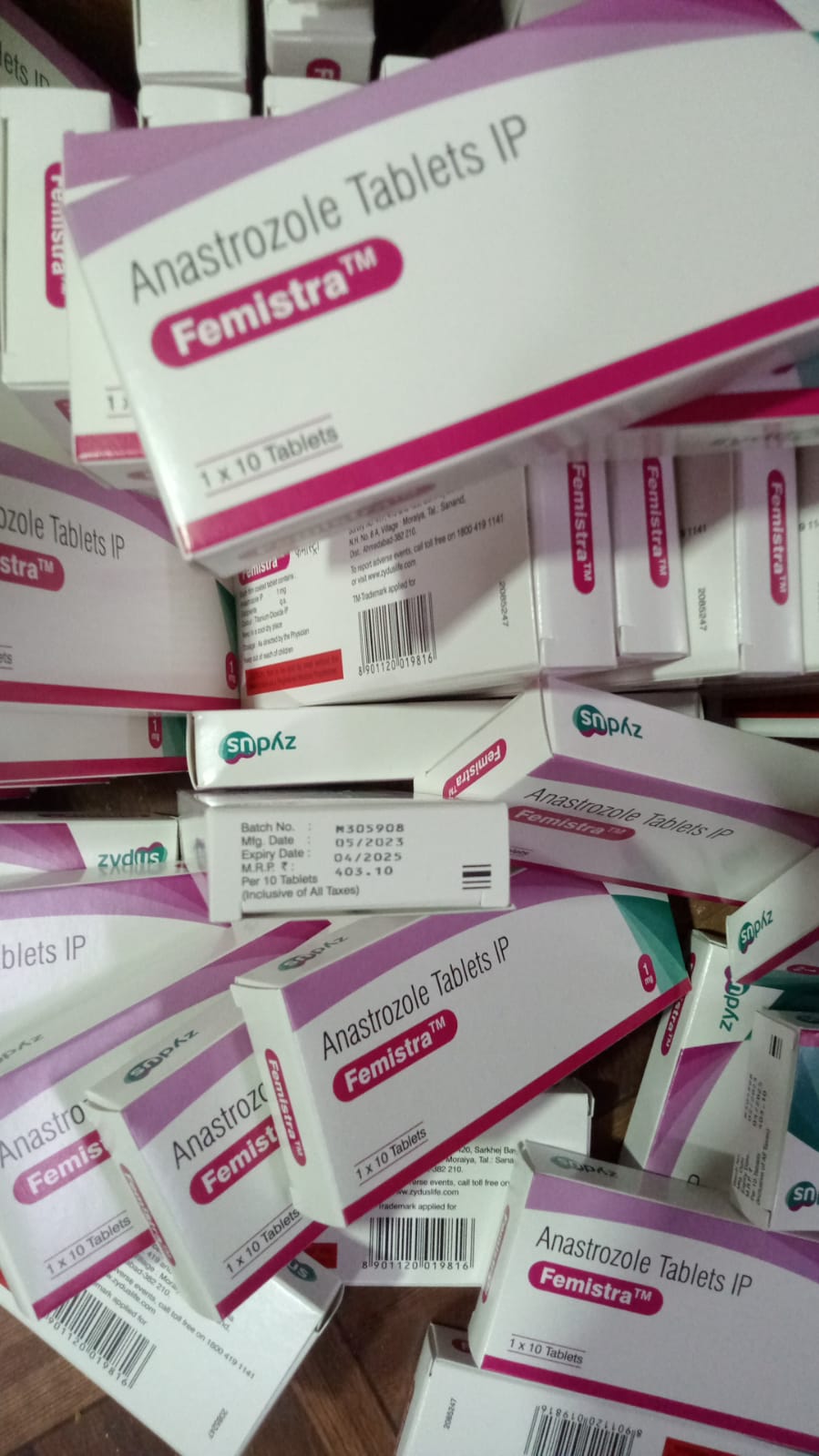
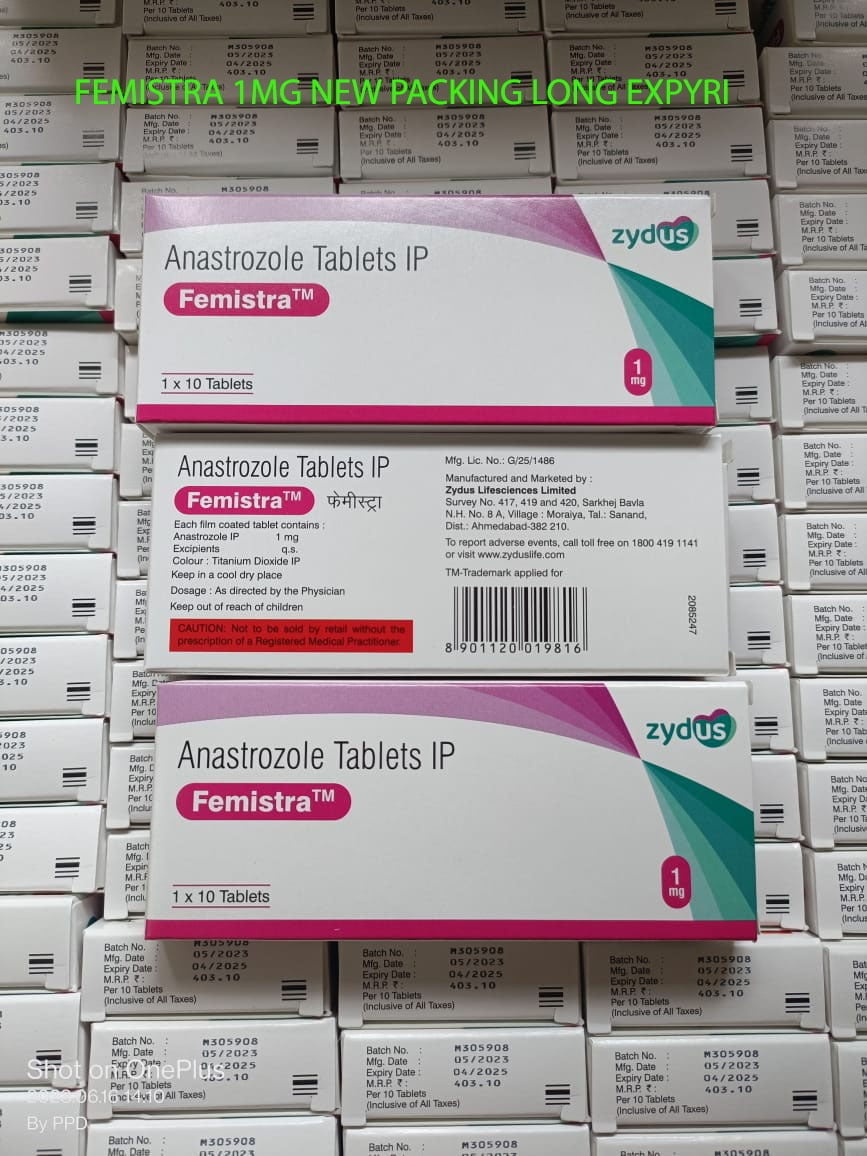
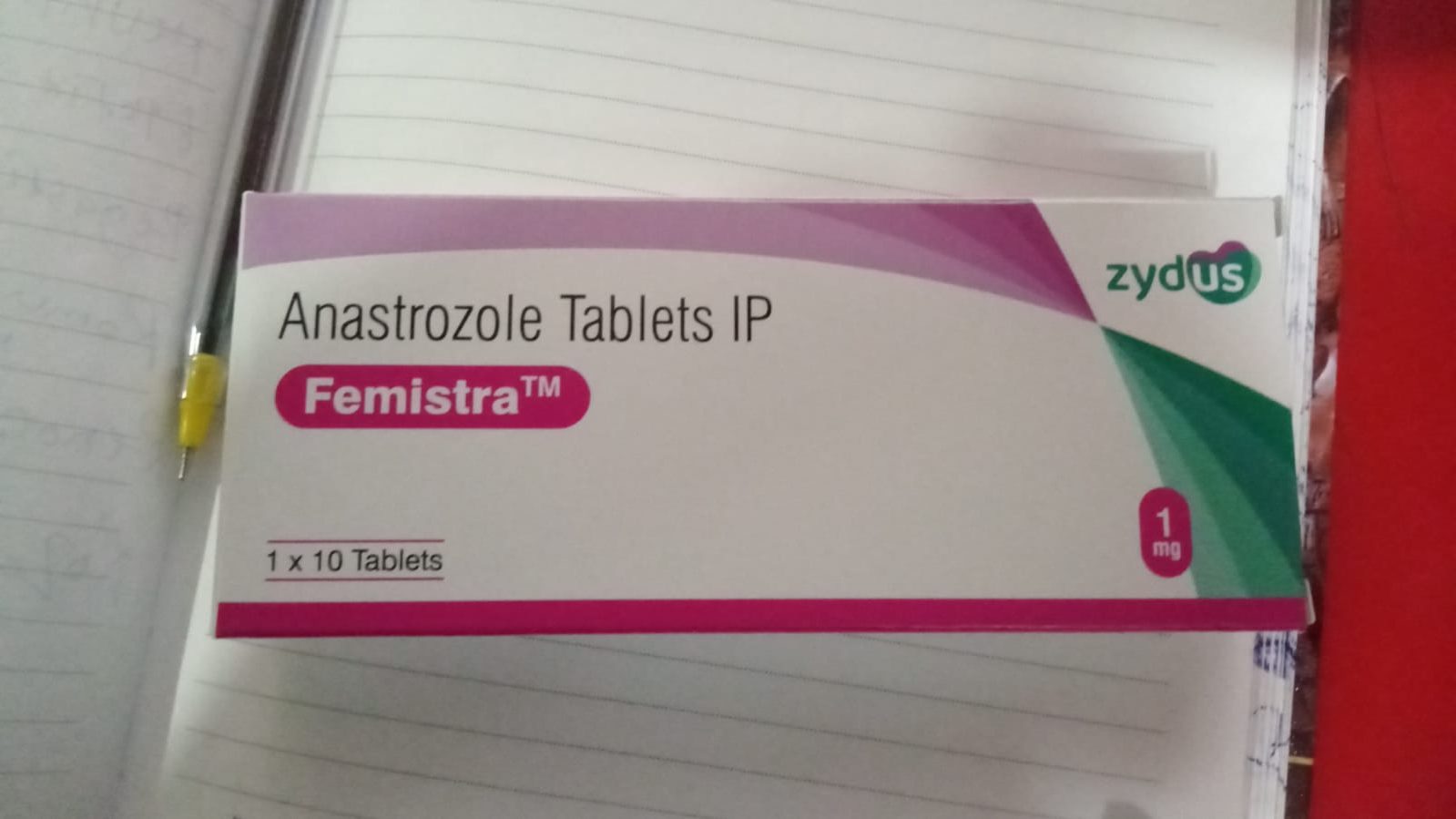






🌸 Femistra 1mg Tablet
⚠️ Important: Femistra should be used only under the direction of a qualified doctor. This page provides general education and does not replace diagnosis, prescribing, oncology care, pharmacist advice, laboratory testing, or emergency treatment.
🧾✅ Prescription review before supply
Please provide a clear, valid prescription for review before ordering. The pharmacy team may confirm patient details, medicine name, strength, pack information, availability, prescription validity, and next steps before dispatch. Submitting an order request does not guarantee immediate supply.
🧭📚 What this guide covers
- 🔎 What Femistra is and how its active ingredient may be used
- 🩺 Why treatment decisions depend on the individual diagnosis
- ⏰ How to take a prescribed dose safely and consistently
- ⚠️ Common side effects and serious warning signs
- 🦴 Bone health, cholesterol, pregnancy, breastfeeding, and interactions
- 🔐 Prescription verification, privacy, storage, delivery, and follow-up
- 💬 Questions patients and caregivers may discuss with the oncology team
🌸 1. Femistra overview
Femistra is a prescription medicine brand. The active ingredient, strength, manufacturer, and pack details should always be confirmed on the supplied pack and current prescription. When the product contains anastrozole, it is generally associated with endocrine or hormone therapy for selected breast cancer treatment plans. The medicine is not suitable for every patient, tumour type, or stage of disease.
A brand name alone is not enough to determine whether a medicine is appropriate. The oncology team may consider hormone-receptor results, cancer stage, previous surgery, radiotherapy, chemotherapy, menopause status, bone health, cardiovascular risk, liver function, kidney function, and the patient’s preferences.
Do not start, stop, share, ration, double, or alter Femistra based only on online information. If the delivered pack does not match the prescription, pause before taking it and ask a pharmacist or doctor to verify the details.
👩⚕️ 2. Who may use Femistra?
Femistra is intended for patients for whom a qualified doctor has selected this medicine after reviewing the diagnosis and treatment plan. It is commonly discussed in relation to postmenopausal adults with hormone-sensitive breast cancer when the active ingredient is anastrozole, but the exact decision belongs to the treating specialist.
Menopause status can be complex after surgery, chemotherapy, ovarian treatment, hormonal medicines, or irregular periods. It should not be guessed from age or symptoms alone. Caregivers may help with ordering or collection only through an appropriate prescription and privacy-respecting process.
Femistra should not be purchased for self-treatment of breast pain, an unassessed lump, general hormonal symptoms, infertility, weight loss, prevention, or suspected cancer without diagnosis.
🧾 3. Why a prescription is required
A prescription links the medicine to the correct patient, diagnosis, strength, directions, and monitoring plan. It allows the pharmacist to check whether the requested product is consistent with the prescriber’s instructions. This is especially important for cancer medicines, which may form part of a wider plan involving surgery, radiotherapy, chemotherapy, targeted treatment, supportive medicines, or regular investigations.
If a prescription is blurred, incomplete, expired, altered, or inconsistent with the order, the pharmacy may request clarification. Do not edit the document, change the dose, crop out warnings, or create a replacement yourself. Uploading a prescription supports order review; it does not create a diagnosis or replace an oncology consultation.
🛡️⚠️ Safety reminder
Never use another person’s prescription, an old prescription after the treatment plan has changed, or a product selected only because the name looks similar. Ask a qualified doctor or pharmacist to confirm the current medicine.
⚙️ 4. How anastrozole works
Anastrozole is an aromatase inhibitor. After menopause, some oestrogen is produced through a process involving the aromatase enzyme. By reducing aromatase activity, anastrozole can lower oestrogen exposure. For cancers that are sensitive to hormonal signals, reducing that stimulation may support the treatment plan selected by the oncology team.
This explanation is general and does not predict an individual response. Receptor status, stage, grade, previous treatment, and other biological features matter. The medicine is not a universal cancer treatment and does not replace surgery, radiotherapy, chemotherapy, targeted treatment, or other care when recommended.
🧪 5. Is Femistra chemotherapy?
When Femistra contains anastrozole, it is generally described as endocrine or hormone therapy rather than traditional cytotoxic chemotherapy. That does not make it unimportant or automatically easier to tolerate. It is an active cancer treatment that requires prescription, appropriate selection, monitoring, and communication with the oncology team.
Some patients receive more than one type of cancer treatment over time. Do not compare your prescription with another patient’s prescription or add and remove treatment because someone else had a different experience.
🩺 6. Before starting treatment
Tell the doctor about allergies, bone problems, fractures, osteoporosis, liver disease, kidney disease, high cholesterol, diabetes, high blood pressure, heart disease, blood-clot history, previous cancer treatments, mental-health concerns, pregnancy possibility, breastfeeding, and any plan to become pregnant.
Provide a complete list of prescription medicines, painkillers, antacids, vitamins, calcium, vitamin D, herbal products, supplements, sleep medicines, and non-prescription products. If you are unsure whether something counts as a medicine, mention it anyway.
⏰ 7. Strength, dose, and schedule
The strength and dose written on the current prescription take priority over general product information. Anastrozole products are commonly associated with a 1 mg strength, but the exact strength on the pack must be checked. Take Femistra exactly as prescribed and swallow the tablet with water unless a professional gives different instructions.
Do not crush, chew, split, dissolve, increase, reduce, or take the tablet on alternate days unless a doctor or pharmacist specifically confirms that it is appropriate.
🔁 8. Missed doses
If you forget a dose, follow the instructions provided by your prescriber or pharmacist. If the next dose is close, the missed dose may need to be skipped and the normal schedule resumed. Do not take two tablets together unless a qualified healthcare professional specifically tells you to do so.
A discreet phone reminder, calendar, medicine diary, or trusted caregiver may help. Do not ration tablets, take them on alternate days, or share them with anyone else.
🛑 9. Do not stop without advice
Cancer treatment may be planned for a long period, and benefit cannot be judged by symptoms alone. Feeling well does not necessarily mean treatment is no longer needed. If joint pain, hot flushes, tiredness, mood changes, nausea, or another effect makes treatment difficult, contact the oncology team before stopping.
🌡️ 10. Common side effects
Possible effects associated with anastrozole-type treatment may include hot flushes, sweating, joint pain, muscle pain, stiffness, tiredness, headache, nausea, stomach discomfort, mood changes, sleep disturbance, rash, and cholesterol changes. Not every patient experiences these effects, and a symptom may have another cause.
Tell the doctor about symptoms that persist, become severe, interfere with movement or sleep, or make it difficult to take the prescribed medicine.
🦴 11. Joint, muscle, and bone health
Joint or muscle discomfort may affect the hands, wrists, knees, hips, shoulders, or back. Record the location, severity, duration, and effect on movement. Gentle activity may be suitable for some patients, but exercise should match bone health, surgery history, pain level, and medical advice.
Because anastrozole lowers oestrogen exposure, bone mineral density may be relevant for some patients. The doctor may assess fracture risk, recommend a bone-density scan, discuss nutrition and activity, or consider bone-protective treatment. Do not begin large doses of calcium or vitamin D without professional guidance.
Report severe bone pain, suspected fracture, a fall followed by pain, new difficulty walking, unexplained height loss, or persistent back pain.
🌬️ 12. Hot flushes and sweating
Hot flushes and sweating can affect comfort, concentration, work, sleep, and social confidence. Light clothing, ventilation, identifying triggers, regular sleep, and carrying water may help some people. If symptoms are frequent, severe, associated with fever, or causing distress, discuss them with the doctor.
Do not start oestrogen-containing products, hormone replacement therapy, or unregulated hormone supplements without oncology advice.
🔋 13. Fatigue and daily routine
Tiredness may result from the medicine, cancer, another treatment, anaemia, infection, poor sleep, stress, pain, depression, or another health problem. A gradual routine of gentle activity and planned rest may help when approved by the care team. Avoid driving or hazardous work if you feel dizzy, weak, unusually sleepy, or unable to concentrate.
Sudden severe fatigue, breathlessness, fainting, fever, unusual bleeding, confusion, or inability to perform normal activities needs prompt medical review.
🤢 14. Nausea and stomach symptoms
Small meals, adequate fluids, and a predictable routine may help some people. Ask the pharmacist before taking an anti-nausea medicine, antacid, or herbal product. Persistent vomiting, dehydration, inability to keep medicine down, severe abdominal pain, blood in the stool, black stools, fever, or marked weakness requires prompt advice.
Do not automatically repeat a dose after vomiting. Ask the doctor or pharmacist what to do.
❤️ 15. Cholesterol and cardiovascular health
Tell the doctor about high cholesterol, diabetes, high blood pressure, heart disease, smoking, previous stroke, blood-clot history, or other cardiovascular risks. Monitoring, lifestyle advice, or cholesterol treatment may be recommended. Do not stop a prescribed heart or cholesterol medicine because you are starting Femistra.
Seek urgent help for severe chest pain, sudden breathlessness, fainting, or sudden weakness on one side.
🤰 16. Pregnancy, fertility, and breastfeeding
🚨 Important: Tell the doctor if pregnancy is possible, if you are planning pregnancy, if periods are irregular, or if you are breastfeeding. Do not start, stop, or continue treatment during pregnancy or breastfeeding without specialist advice.
Pregnancy planning requires discussion with the oncology team because treatment timing, cancer care, fertility, and medicine exposure must be considered together. If pregnancy is suspected while taking Femistra, contact the treating doctor promptly.
🔄 17. Interactions with medicines and supplements
Tell the prescriber and pharmacist about tamoxifen, oestrogen-containing products, hormone replacement therapy, contraceptive products, painkillers, antacids, sleep medicines, steroids, vitamins, minerals, herbal products, and medicines prescribed by other specialists.
Never combine, switch, stop, or restart cancer medicines without instructions from the oncology team. “Natural” does not automatically mean safe.
🫀 18. Liver and kidney conditions
Tell the doctor about liver disease, hepatitis, previous jaundice, abnormal liver tests, kidney disease, swelling, reduced urine, or long-term treatment for these conditions. Report yellowing of the skin or eyes, dark urine, severe itching, unusual bleeding, severe upper-abdominal pain, marked swelling, or significantly reduced urination.
🚨 19. Allergy and serious reactions
Report a new rash after starting treatment. A rapidly spreading rash, blistering, peeling skin, mouth or eye involvement, facial swelling, throat swelling, breathing difficulty, fainting, or severe weakness may require urgent medical attention.
Keep the medicine pack and prescription available if urgent care is needed. Do not re-challenge yourself with a product that previously caused a serious reaction.
🚗 20. Driving, work, and daily safety
Some patients may feel tired, dizzy, weak, or less alert. Until you know how Femistra affects you, use caution with driving, machinery, heights, traffic, and hazardous work. Do not drive when you feel unsafe. Alcohol or other medicines that cause sleepiness may increase impairment for some people.
📦 21. Storage and product checks
- 🏷️ Keep the medicine in its original labelled packaging.
- 🌡️ Follow the storage instructions printed on the pack.
- ☀️ Protect it from heat, moisture, and direct sunlight.
- 👶 Keep it away from children, visitors, and pets.
- 🔍 Check the name, active ingredient, strength, quantity, batch, seal, and expiry.
- 🚫 Do not use a wet, damaged, opened, unlabelled, or tampered pack.
- ♻️ Ask a pharmacist about safe disposal of unused or expired medicine.
Tablet appearance alone is not enough to confirm identity. If the pack is unexpected or differs from the order, keep it aside and contact the pharmacy before taking it.
🛒 22. Ordering Femistra online
Upload only a clear, current prescription through the intended pharmacy process. Check that the patient name, medicine, strength, instructions, date, and prescriber information are readable. Do not alter the document or hide information needed for verification.
Availability, prescription validity, pharmacist approval, payment status, delivery conditions, and other requirements may affect dispatch. A payment or order reference does not replace prescription review. Never share passwords, payment PINs, or one-time codes for prescription verification.
🔐 23. Patient privacy
Prescriptions and medical reports contain sensitive information. Upload them only through the intended secure process. Do not publicly post prescriptions, medical reports, phone numbers, or identity documents. Caregivers should obtain permission before sharing medical information whenever possible.
📬 24. Receiving the medicine
When the order arrives, compare the product with the prescription and order confirmation. Check the product name, active ingredient, strength, quantity, seal, batch number, expiry, and packaging condition. If anything appears different, damaged, open, wet, or unclear, contact the pharmacy before use.
🤝 25. Caregiver guidance
A caregiver can help with appointment reminders, safe storage, prescription records, symptom notes, refill planning, and transport. The caregiver should not independently change the dose, stop treatment, or substitute another medicine. Keep an updated record of the medicine name, strength, daily schedule, allergies, other medicines, doctor’s details, and next appointment.
📊 26. Follow-up and monitoring
Follow-up is part of safe treatment even when you feel well. The oncology team may review symptoms, physical findings, blood tests, cholesterol, bone health, other medicines, and the overall cancer plan. Bring your current medicine list, prescription, reports, questions, and symptom notes.
💬 27. Questions to ask your doctor
- 🩺 Why is this medicine appropriate for my diagnosis?
- 🧪 What active ingredient and strength should be on my pack?
- 📅 How long is treatment expected to continue?
- 🧫 Which tests will I need before and during treatment?
- 🦴 How will my bone health be monitored?
- 🚨 Which symptoms need urgent attention?
- 🔁 What should I do if I miss a dose or vomit?
- 🌿 Which medicines, supplements, or hormone products should I avoid?
- 🏥 What should I do before surgery or dental treatment?
- 📞 Who should I contact if I cannot obtain a refill?
🗓️ 28. Practical treatment routine
A realistic routine can reduce missed doses. Choose a safe, private location, use a discreet reminder, and keep a simple record if your care team recommends it. Avoid storing medicine in a damp bathroom or a hot vehicle. Before travel, keep enough medicine in its original pack with prescription information.
🆘 29. When symptoms need urgent help
🚨 Seek urgent medical help for severe breathing difficulty, facial or throat swelling, fainting, severe chest pain, sudden weakness, severe confusion, rapidly spreading or blistering rash, peeling skin, collapse, or any life-threatening symptom. Do not wait for an online order team during an emergency.
Prompt medical review is also appropriate for severe or worsening bone pain, suspected fracture, jaundice, dark urine, repeated vomiting, severe abdominal pain, marked weakness, unusual bleeding, or a major mood change.
📋 30. Femistra quick facts
| 🔎 Item | 📌 Information |
|---|---|
| 💊 Product | Femistra 1mg Tablet |
| 🧾 Category | Prescription anti-cancer medicine |
| 🧪 Active ingredient | Verify the active ingredient and strength on the supplied pack and prescription |
| ✅ Supply condition | Valid prescription and pharmacist review |
❓ 31. Frequently asked questions
📝 32. Practical guide for patients and caregivers
Starting cancer treatment can feel overwhelming. Keep the medicine name, active ingredient, strength, daily schedule, prescribing doctor, pharmacy details, next appointment, allergies, and other medicines in one written record. Bring it to medical visits. Write questions before appointments, including why Femistra was selected, how long it may continue, which tests are needed, how bone health will be monitored, and which symptoms require urgent care.
Family members can help with transport, reminders, storage, and symptom notes. Support should not remove the patient’s control over private medical decisions. Ask permission before sharing reports or prescription documents. A responsible pharmacy process places patient identity, prescription validity, medicine quality, and pharmacist review before dispatch.
🔄 33. Safe follow-up and ongoing review
Tell the oncology team about new medicines, supplements, hospital visits, falls, dental procedures, new pain, sleep problems, mood changes, and difficulty following the prescribed schedule. If you change pharmacy or doctor, provide accurate information about the current prescription rather than relying on an outdated medicine list.
✅ 34. Final checklist before use
- 🔍 Confirm the patient name, medicine, active ingredient, strength, dose, timing, and expiry.
- 🧾 Confirm that the prescription is current and properly reviewed.
- 👶 Keep Femistra in its original pack and away from children.
- 🚫 Do not stop, double, share, ration, or alter the medicine without advice.
- 🩺 Tell the doctor about pregnancy possibility, breastfeeding, bone problems, liver or kidney disease, and all other medicines.
- 📅 Attend follow-up appointments and recommended tests.
- 📞 Report persistent or severe side effects promptly.
- 🚨 Seek urgent help for severe allergy symptoms, chest pain, fainting, breathing difficulty, severe rash, or any life-threatening symptom.
⚕️📌 Medical disclaimer
This content is for general educational purposes only. It does not diagnose disease, recommend an individual dose, guarantee treatment response, or replace consultation with a qualified healthcare professional. Medicine details may vary by manufacturer, strength, pack, and patient. Always follow the current prescription and the instructions printed on the supplied pack. For pregnancy, breastfeeding, severe symptoms, suspected allergy, treatment changes, or concerns about side effects, contact your doctor, oncologist, pharmacist, or appropriate urgent medical service.
🩺 Treatment purpose and individual diagnosis
A prescription medicine should always be connected to a confirmed clinical reason. Femistra may be discussed when its active ingredient is anastrozole and the oncology team has identified a treatment plan in which reducing oestrogen stimulation is appropriate. The decision depends on pathology, receptor findings, disease stage, previous treatment, menopause status, other health conditions, and the patient’s goals. A product description cannot determine whether treatment is right for a particular person. That decision belongs to the prescribing clinician, who has access to the patient’s reports, examination, treatment history, and follow-up plan.
🔬 Understanding hormone-sensitive disease
Some breast cancers use hormonal signals as part of their growth pattern. Laboratory testing of tumour tissue can help the oncology team understand whether hormonal treatment may be useful. A result is not interpreted in isolation: the specialist may combine it with tumour size, lymph-node findings, grade, spread, previous therapy, and overall health. Patients should ask the oncology team to explain the meaning of their reports in plain language rather than trying to compare one result with another patient’s result.
📄 Prescription information to check
Before ordering, check that the prescription clearly identifies the patient, medicine, strength, directions, date, and prescriber. A pharmacist may also need to confirm the quantity, repeat instructions, and whether the prescription remains valid under applicable rules. If any part is unclear, do not edit the document. Contact the prescriber or pharmacy for clarification. A clear prescription protects the patient from receiving the wrong medicine, strength, quantity, or schedule.
🧑⚕️ Role of the pharmacist
The pharmacist is an important safety checkpoint between prescribing and supply. Pharmacist review may include the medicine name, strength, formulation, duplicate therapy, possible interactions, patient information, pack condition, expiry, and prescription validity. The pharmacist may ask questions or delay dispatch while clarification is obtained. This does not mean the order has failed; it means the medicine is being checked responsibly. Patients should answer questions accurately and disclose all medicines and supplements.
🗣️ How to communicate symptoms
A useful symptom description includes what started, when it started, how often it occurs, how severe it is, and what activities it affects. Mention whether a symptom is improving, stable, or worsening. Note associated signs such as fever, swelling, rash, weakness, breathlessness, vomiting, or bleeding. A short written diary can help the doctor identify patterns. Avoid using only the phrase “side effect” because symptoms may have several possible causes.
🦵 Joint-pain tracking
For joint or muscle discomfort, record the body area, morning stiffness, swelling, movement limitation, pain score, and whether the problem affects sleep or walking. Tell the doctor if the symptom existed before Femistra, appeared after starting it, or changed after another medicine was added. Gentle movement may be useful for some people, but severe pain, injury, sudden weakness, or inability to bear weight should be assessed promptly.
🦴 Fracture and fall prevention
Patients with bone-health risk may benefit from practical fall-prevention measures such as good lighting, clear walkways, suitable footwear, and safe support on stairs. These are general measures, not a substitute for individual assessment. Report a fall followed by pain, suspected fracture, new difficulty walking, sudden back pain, or unexplained height loss. The doctor may decide whether bone-density testing or additional treatment is appropriate.
🥗 Nutrition and supportive care
Balanced nutrition can support general wellbeing during treatment, but no food or supplement can replace cancer treatment. Discuss appetite loss, weight change, swallowing difficulty, persistent nausea, or special diets with the healthcare team. Calcium, vitamin D, herbal products, and high-dose supplements are not automatically suitable. Kidney disease, liver disease, medicine interactions, and laboratory results may change what is safe.
💧 Hydration and vomiting
If nausea or vomiting occurs, small sips of fluid may be easier for some people, but persistent vomiting can cause dehydration and needs medical advice. Do not automatically repeat a dose after vomiting because the amount absorbed and the timing may be uncertain. Contact the pharmacist or prescribing team for specific instructions. Urgent review is appropriate for inability to keep fluids down, very little urine, severe weakness, confusion, blood, or severe abdominal pain.
😴 Sleep and mood
Treatment, anxiety, hot flushes, pain, appointments, and changes in routine can affect sleep and mood. Tell the healthcare team about persistent insomnia, low mood, loss of interest, severe anxiety, confusion, or thoughts of self-harm. Do not start sleep medicines, sedatives, hormones, or herbal products without professional advice. A symptom may be treatable, and asking for help early is safer than silently stopping cancer treatment.
❤️ Cardiovascular monitoring
Tell the doctor about high cholesterol, diabetes, high blood pressure, smoking, heart disease, previous stroke, blood clots, or strong family history. Monitoring may include blood tests or review of existing medicines. Continue prescribed cardiovascular treatment unless the doctor changes it. Sudden chest pain, severe breathlessness, collapse, one-sided weakness, or new speech difficulty requires urgent emergency care.
🧪 Laboratory and clinical follow-up
Follow-up tests are chosen for the individual treatment plan. They may include cholesterol testing, bone-health evaluation, liver or kidney tests, clinical examination, imaging, or other investigations. A normal result at one point does not guarantee that future results will be the same. Attend appointments even when symptoms are absent, and ask what each test is intended to monitor.
👶 Pregnancy and contraception discussion
Pregnancy possibility should be discussed before treatment, even when periods are irregular or infrequent. Menopause can be difficult to assess after chemotherapy, ovarian treatment, or hormonal therapy. The oncology team can explain suitable contraception and treatment planning. If pregnancy is suspected, contact the treating doctor promptly and do not independently continue, stop, or restart Femistra.
🍼 Breastfeeding discussion
Patients who are breastfeeding should tell the prescriber before taking Femistra. The decision about treatment and breastfeeding requires specialist advice because the medicine, the patient’s cancer plan, and the infant’s safety must be considered together. Do not rely on general internet comments or another person’s experience. Ask the oncology team for advice specific to the current treatment plan.
💊 Medicines to disclose
Bring a complete list of prescription medicines, non-prescription products, painkillers, antacids, vitamins, minerals, herbal products, hormones, contraceptives, and medicines prescribed by other specialists. Include products taken occasionally. If possible, record active ingredients and doses. A photograph of labels may help during an appointment, but keep private information protected and share it only through appropriate clinical channels.
🌿 Supplements and natural products
Natural products can affect medicines, liver function, bleeding risk, blood pressure, sedation, or treatment decisions. “Herbal” does not mean risk-free. Do not begin high-dose vitamins, hormone-balance products, bodybuilding products, or traditional remedies without telling the doctor or pharmacist. If you already use a supplement, disclose its name, amount, frequency, and reason for use.
✈️ Travel planning
Before travel, confirm that enough medicine will be available for the full period plus any delay that the care team recommends planning for. Keep the medicine in its original labelled pack with the prescription information. Protect it from heat, moisture, and direct sunlight. Ask the oncology team how to manage time-zone changes, missed doses, medical appointments, and urgent care while away.
🏥 Surgery and dental care
Tell the surgeon, dentist, anaesthetist, and other healthcare professionals that you are taking Femistra and provide an updated medicine list. Do not stop treatment for a procedure unless the relevant clinician instructs you to do so. Ask early because the timing of appointments, fasting, medicines, and recovery may need coordination with the oncology plan.
🚗 Driving and workplace safety
Until you know how the medicine affects you, use caution with driving, machinery, heights, traffic, and hazardous work. Fatigue, dizziness, weakness, sleep problems, pain, or other medicines may affect alertness. Do not drive when you feel unsafe. Discuss persistent impairment with the doctor or pharmacist rather than accepting avoidable risks.
🔐 Protecting prescription privacy
A prescription may contain names, addresses, phone numbers, diagnosis information, and prescriber details. Upload it only through the intended secure process. Do not post it publicly or send it to unknown contacts. Caregivers should obtain permission before sharing it whenever possible. Use privacy-conscious reminders and storage if other people have access to the home or phone.
📦 Checking delivery condition
When the order arrives, check the outer packaging and medicine pack before use. Confirm the patient, product name, active ingredient, strength, quantity, batch, expiry, seal, and storage information. Do not take a product that is damaged, wet, open, unlabelled, unexpectedly substituted, or inconsistent with the prescription. Keep it aside and contact the pharmacy for verification.
🗃️ Batch and expiry awareness
Keep the box or label until the medicine has been used or the pharmacist advises disposal. Batch and expiry information can help the pharmacy investigate a quality concern or product query. Do not remove labels or transfer tablets into an unmarked container if doing so could cause confusion. Expired or damaged medicine should not be taken.
👨👩👧 Caregiver communication
Caregivers can support reminders, transport, storage, refill planning, appointment notes, and communication with the pharmacy. They should not change the patient’s dose or decide that treatment is unnecessary. Ask the patient what information may be shared. Maintain a current record and tell clinicians about missed doses, new symptoms, falls, hospital visits, and medicine changes.
📅 Refill planning
Do not wait until the last tablet to request a repeat prescription or arrange supply. Prescription validity, stock, pharmacist review, payment, delivery, and prescriber availability can affect timing. Contact the appropriate pharmacy or clinic early. Do not ration the medicine or take it on alternate days to make it last longer.
🧠 Health information online
Online medicine information can be useful for preparing questions, but it cannot interpret a prescription or replace clinical care. Different brands, strengths, formulations, countries, and patient conditions may differ. Avoid websites that promise a cure, encourage prescription-free supply, or tell patients to ignore doctors. Use general information to support a conversation with a qualified professional.
🆘 Recognising emergencies
Severe breathing difficulty, facial or throat swelling, fainting, collapse, severe chest pain, sudden one-sided weakness, severe confusion, rapidly spreading blistering rash, peeling skin, or another life-threatening symptom needs urgent emergency care. Do not wait for an online order team or routine appointment. Take the medicine pack and prescription information if it is safe to do so.
📝 Preparing for an appointment
Write down your current dose, missed doses, symptoms, questions, other medicines, allergies, and recent reports. Bring the product pack or a clear medicine list. Ask the doctor to explain the purpose of each test and the plan for side effects. If you do not understand an instruction, repeat it back in your own words and ask for confirmation.
🌈 Emotional support
Cancer treatment can affect confidence, family roles, work, finances, sleep, and relationships. Feeling worried or overwhelmed is not a reason to hide symptoms or stop treatment alone. Ask the oncology team about counselling, support groups, social support, pain care, nutrition, rehabilitation, or other services that may be available. Emotional wellbeing is part of safe, whole-person care.
✅ Responsible medicine use
Responsible use means taking only the medicine prescribed for the named patient, following the current instructions, keeping follow-up appointments, disclosing all products, protecting privacy, checking the pack, and reporting concerning symptoms. It also means asking for help when treatment is difficult. The safest product page supports informed questions rather than encouraging self-diagnosis.
📌 Final medical reminder
This expanded guide is educational and does not replace a current prescription, examination, pharmacist review, oncology consultation, laboratory monitoring, or emergency care. Medicine decisions must be individualised. Always verify the product, strength, directions, patient details, expiry, and prescription before use. Contact a qualified professional for questions about dose, interactions, pregnancy, breastfeeding, side effects, or treatment changes.
💬 Extra patient question bank
💬 Patient question 1 — Prescription Accuracy: Ask the oncology team what applies to your diagnosis, current medicines, reports, and treatment schedule. Explain the concern clearly, note the answer in your medicine record, and follow the professional instruction rather than relying on a general product page. If the advice changes, update the record and tell the pharmacist who supplies the medicine.
💬 Patient question 2 — Missed Doses: Ask the oncology team what applies to your diagnosis, current medicines, reports, and treatment schedule. Explain the concern clearly, note the answer in your medicine record, and follow the professional instruction rather than relying on a general product page. If the advice changes, update the record and tell the pharmacist who supplies the medicine.
💬 Patient question 3 — Bone Health: Ask the oncology team what applies to your diagnosis, current medicines, reports, and treatment schedule. Explain the concern clearly, note the answer in your medicine record, and follow the professional instruction rather than relying on a general product page. If the advice changes, update the record and tell the pharmacist who supplies the medicine.
💬 Patient question 4 — Hot Flushes: Ask the oncology team what applies to your diagnosis, current medicines, reports, and treatment schedule. Explain the concern clearly, note the answer in your medicine record, and follow the professional instruction rather than relying on a general product page. If the advice changes, update the record and tell the pharmacist who supplies the medicine.
💬 Patient question 5 — Joint Symptoms: Ask the oncology team what applies to your diagnosis, current medicines, reports, and treatment schedule. Explain the concern clearly, note the answer in your medicine record, and follow the professional instruction rather than relying on a general product page. If the advice changes, update the record and tell the pharmacist who supplies the medicine.
💬 Patient question 6 — Cholesterol: Ask the oncology team what applies to your diagnosis, current medicines, reports, and treatment schedule. Explain the concern clearly, note the answer in your medicine record, and follow the professional instruction rather than relying on a general product page. If the advice changes, update the record and tell the pharmacist who supplies the medicine.
💬 Patient question 7 — Pregnancy: Ask the oncology team what applies to your diagnosis, current medicines, reports, and treatment schedule. Explain the concern clearly, note the answer in your medicine record, and follow the professional instruction rather than relying on a general product page. If the advice changes, update the record and tell the pharmacist who supplies the medicine.
💬 Patient question 8 — Breastfeeding: Ask the oncology team what applies to your diagnosis, current medicines, reports, and treatment schedule. Explain the concern clearly, note the answer in your medicine record, and follow the professional instruction rather than relying on a general product page. If the advice changes, update the record and tell the pharmacist who supplies the medicine.
💬 Patient question 9 — Supplements: Ask the oncology team what applies to your diagnosis, current medicines, reports, and treatment schedule. Explain the concern clearly, note the answer in your medicine record, and follow the professional instruction rather than relying on a general product page. If the advice changes, update the record and tell the pharmacist who supplies the medicine.
💬 Patient question 10 — Travel: Ask the oncology team what applies to your diagnosis, current medicines, reports, and treatment schedule. Explain the concern clearly, note the answer in your medicine record, and follow the professional instruction rather than relying on a general product page. If the advice changes, update the record and tell the pharmacist who supplies the medicine.
💬 Patient question 11 — Storage: Ask the oncology team what applies to your diagnosis, current medicines, reports, and treatment schedule. Explain the concern clearly, note the answer in your medicine record, and follow the professional instruction rather than relying on a general product page. If the advice changes, update the record and tell the pharmacist who supplies the medicine.
💬 Patient question 12 — Delivery: Ask the oncology team what applies to your diagnosis, current medicines, reports, and treatment schedule. Explain the concern clearly, note the answer in your medicine record, and follow the professional instruction rather than relying on a general product page. If the advice changes, update the record and tell the pharmacist who supplies the medicine.
💬 Patient question 13 — Privacy: Ask the oncology team what applies to your diagnosis, current medicines, reports, and treatment schedule. Explain the concern clearly, note the answer in your medicine record, and follow the professional instruction rather than relying on a general product page. If the advice changes, update the record and tell the pharmacist who supplies the medicine.
💬 Patient question 14 — Caregiver Support: Ask the oncology team what applies to your diagnosis, current medicines, reports, and treatment schedule. Explain the concern clearly, note the answer in your medicine record, and follow the professional instruction rather than relying on a general product page. If the advice changes, update the record and tell the pharmacist who supplies the medicine.
💬 Patient question 15 — Follow-Up: Ask the oncology team what applies to your diagnosis, current medicines, reports, and treatment schedule. Explain the concern clearly, note the answer in your medicine record, and follow the professional instruction rather than relying on a general product page. If the advice changes, update the record and tell the pharmacist who supplies the medicine.
💬 Patient question 16 — Urgent Symptoms: Ask the oncology team what applies to your diagnosis, current medicines, reports, and treatment schedule. Explain the concern clearly, note the answer in your medicine record, and follow the professional instruction rather than relying on a general product page. If the advice changes, update the record and tell the pharmacist who supplies the medicine.
📚 Sources of Information
The general medicine information in this guide has been prepared with reference to the following recognised medical and regulatory information sources:
- MedlinePlus — Anastrozole: patient-focused information about uses, precautions, and side effects.
- National Cancer Institute (NCI) — Hormone Therapy: general information about hormone therapy in cancer care.
- NHS — Anastrozole: patient guidance about use, precautions, and common side effects.
- U.S. Food and Drug Administration (FDA): official prescribing information and safety requirements for approved medicines.
- Current supplied product label and package leaflet: the product-specific source that takes priority over general online information.
Important: These sources are for general education only. They do not provide a personal diagnosis or treatment recommendation. The current prescription, supplied pack, local regulatory requirements, doctor, oncologist, and pharmacist take priority.







There are no reviews yet.